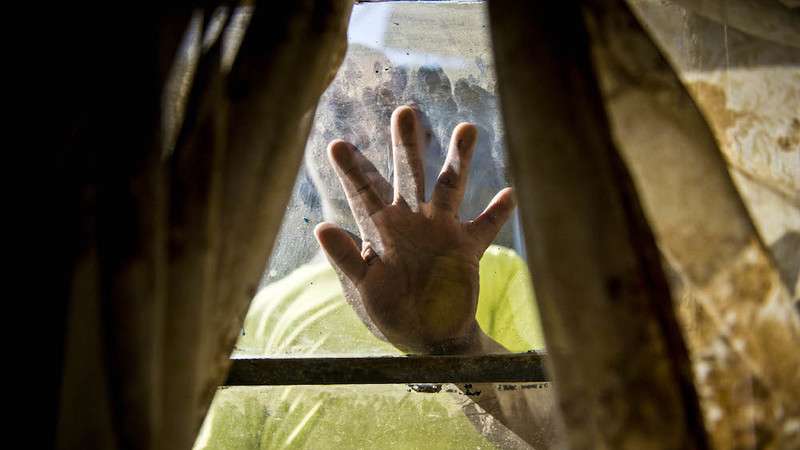
Reported cases of child abuse and neglect rose to 26,000 in 2024-25. Image by Mail & Guardian
(The Post News) – As official statistics show a dramatic rise in reported occurrences of child abuse and neglect, South Africa is facing an increasingly serious child protection crisis. Social Development Minister Sisisi Tolashe said that over 26,000 cases of child abuse and neglect were reported in the 2024–25 financial year, which is a concerning increase from 23,732 cases in the previous year.
- Despite numerous laws and programs in place, the Minister acknowledged that children in the nation “continue to experience violence.” The information she gave demonstrates the extent of the issue:
- Deliberate child neglect made up 9,485 cases.
- Physical abuse was reported in 3,965 incidents.
Furthermore, crime statistics from the South African Police Service indicate that approximately 1,100 children were killed during the 2023-24 financial year.
Justice System Under the Spotlight
The ability of the South African legal system to safeguard children is being closely examined as a result of a shocking rise in data. The seriousness of the violence children experience, frequently at the hands of people who are supposed to protect them, is highlighted by high-profile cases like the kidnapping and trafficking of six-year-old Joslin Smith, whose mother and two co-accused were recently sentenced to life in prison.
Following a march for children’s rights, Justice Minister Mmamoloko Kubayi met with Chief Justice Mandisa Maya, indicating the urgent need for reform. In order to improve the safety of minors during court processes, Minister Kubayi particularly demanded an immediate review of the Criminal Procedure Act, which regulates bail and punishment. She stated, “Laws have been amended, but there are still weaknesses,” pointing out that the last section of the Act requires urgent attention.
Organizations dedicated to child welfare are calling for more severe penalties. Joburg Child Welfare is advocating for the strengthening of the Criminal Law Amendment Act 105 of 1997, which calls for harsher punishments than the present 10- to 15-year sentences for Schedule 6 offenses, which are the most serious crimes committed against children. Abubakr Hattas, CEO of Johannesburg Child Welfare, emphasized that “Violence against children creates lifelong psychological wounds and trauma, which increases the likelihood of them becoming future perpetrators.”
Low Conviction Rates
A startlingly low conviction rate in child abuse cases further undermines the effectiveness of the legal system. Only 4% of the more than 5,000 child abuse cases from 2019 to 2024 ended in a conviction, according to the Teddy Bear Foundation research, with many cases falling through for lack of witnesses or evidence. According to Shaheda Omar, clinical director, many children “bravely come forward only to have their cases languish or collapse due to systemic barriers.”
Structural shortcomings in protective efforts, especially in the field of education, are also apparent outside of the courtroom. According to Basic Education Minister Siviwe Gwarube, by the end of 2024, just 19% of the country’s 400,000+ teachers had been checked against the National Register for Sex Offenders. That number was zero in Limpopo and only five percent in the Eastern Cape, which raises grave concerns about school safety.
The Call for Societal Change
Child welfare directors nationwide, such as Pranashen Pillay of Child Welfare Chatsworth and Adeshini Naicker of Childline KwaZulu-Natal, reported witnessing a startling number of children abused by their parents and guardians. The abuse was caused by substance abuse, poverty, and stress among the caregivers. They are all in favour of increased community awareness and stronger enforcement.
According to a 2015 study, South Africa loses R238.58 billion a year as a result of violence against children, which is around 6% of its GDP. In order to address this, the nation has introduced the 2024 Basic Education Laws Amendment Act, which reinforces the prohibition on physical punishment in schools, and has committed to introducing evidence-based parenting programs in 52 districts by 2027.
About the Author