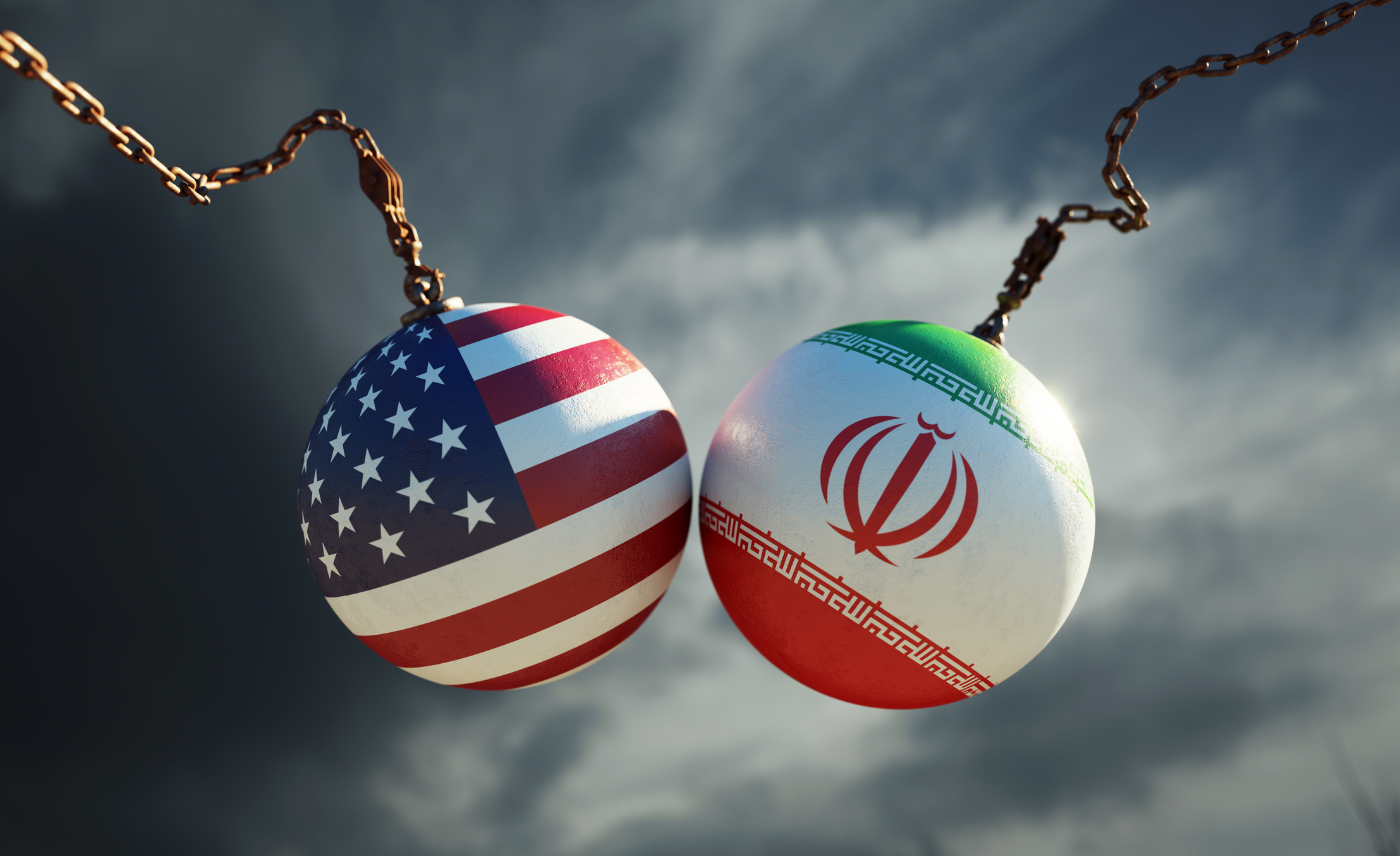
U.S. Ambassador Michael Waltz addressed the UN Security Council in New York, urging Iran to abandon its revolutionary goals and stop interfering in regional affairs. Image credit: Hoover Institution
(The Post News) – US Ambassador to the UN Michael Waltz urged Iran on Thursday to abandon what he termed its “false hope of revolution” and cease interfering with Middle Eastern countries. Speaking at the UN Security Council, Waltz urged Tehran to enter “direct and good-faith dialogue” with Washington instead of fuelling instability across the region.
“The global community needs to pressure the Iranian regime to drop its fanciful revolution dream, drop its ambitions against neighbouring countries, and stop its meddling in the politics of other nations in the region,” Waltz said. “Iran needs to negotiate openly with the United States on behalf of its own citizens and for the sake of regional stability.”.
Tensions Over Nuclear Program and Sanctions
Waltz addressed the tensions between the US and Iran amid raging tensions as negotiations on Iran’s contentious nuclear programme stalled. European nations last month triggered the “snapback” mechanism, reinstating world sanctions against Tehran. The move rekindled economic pressure in Iran, which was already reeling from a devastating but brief 12-day war against Israel and America in June.
On Monday, Iran’s Supreme Leader Ayatollah Ali Khamenei blamed Washington for attempting to “bully” Iran into giving up its military strength, rejecting President Donald Trump’s peace offer.
Waltz reiterated Washington’s backing of new sanctions anew, saying, “The regime will remain accountable so long as it remains on its path of devastation.” He asserted that firm US action against Iran’s terror militia proxies had created “historic opportunities” for Lebanon, Syria, Iraq, and the broader region to experience stability.
The American diplomat connected the administration’s Iran policy with President Trump’s “20-Point Plan for Peace” between Israelis and Palestinians, a pillar of the region’s future stability, and he referred to it as.
“Under President Trump’s plan, we are closer than ever to attaining a Middle East that generations have envisioned, a Middle East of peace, prosperity, opportunity, and innovation,” Waltz testified.
UN representatives at the meeting indicated a tentative quiet has filled Gaza since the Oct. 10 ceasefire and hostage release agreement brokered under the US initiative. Ramiz Alakbarov, deputy special coordinator for the Middle East peace process of the UN, said the UN would remain to advocate for a two-state solution based on international law and pre-1967 borders.
The United Nations believes in ending the occupation and striving for a just two-state solution, where Israel and Palestine coexist side by side in peace and security,” Alakbarov told the council.
He highlighted a 46 percent increase in aid distributions to Gaza during the first week of the ceasefire but warned that humanitarian need remains “staggering.” The UN, he said, has begun a 60-day emergency response plan to accelerate aid and reconnect basic services.
Iran and Hamas Push Back
Iran’s representative to the UN, Amir Saeid Iravani, rejected Waltz’s accusation, citing that Tehran’s foreign policy “is based on respect for sovereignty, non-interference, and good neighbourliness.” He reiterated that Iran’s nuclear activities are peaceful and blamed the US for resorting to a pretext to seek aggression.
Waltz also addressed the Gaza conflict, warning that there will be no peace if Hamas does not disarm and respect the terms of the ceasefire. “Hamas needs to return the bodies of the remaining hostages, including American citizens Itay Chen and Omer Neutra, immediately,” he said. “Their families deserve dignity.”
He condemned accounts of Hamas killings in Gaza as “further evidence that Hamas is not fit to govern and should not be allowed to remain in control of safeguarding the people.”
Alakbarov welcomed the International Court of Justice, which gave paramountcy to humanitarian access to Gaza. He outlined plans for a Cairo Reconstruction Conference, held by Egypt, the Palestinian Authority, and the UN, to drive recovery forward.
We are at a historic but delicate crossroads,” Alakbarov said. “Political will, financial resources, and good faith effort are needed to build a better future for all.”
The fate of enduring peace in the region depends, Waltz concluded, on whether Iran chooses diplomacy or destabilization. “The path forward is through dialogue, not destruction,” he said.
About the Author