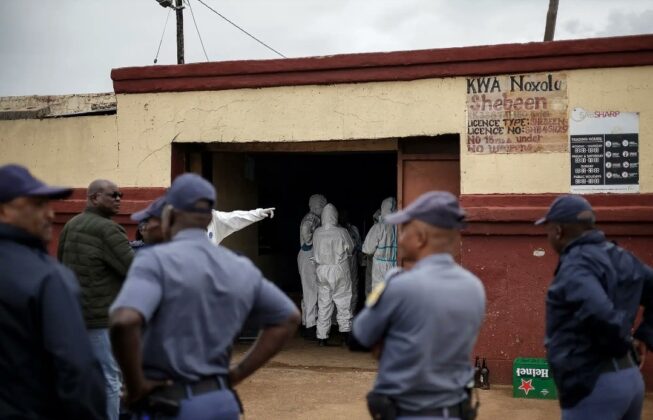
G20 Women's Shutdown took place in all corners of South Africa. Photo: Women For Change
(The Post News)- Today, November 21, South Africa saw a historic coming together of political action and civil power. The government designated Gender-Based Violence and Femicide (GBVF) as a National Disaster. This decision was the dramatic and immediate outcome of the G20 Women’s Shutdown. It was a nationwide appeal for women to stop working and economic activity.
Thousands of South Africans nationwide continued to mobilize. They observed a profound moment of silence. Velenkosini Hlabisa, Minister of Cooperative Governance, confirmed the official declaration today. This effectively brings an end to years of advocacy. It only took a single day of coordinated action.
Unity in Black: The Silence That Won
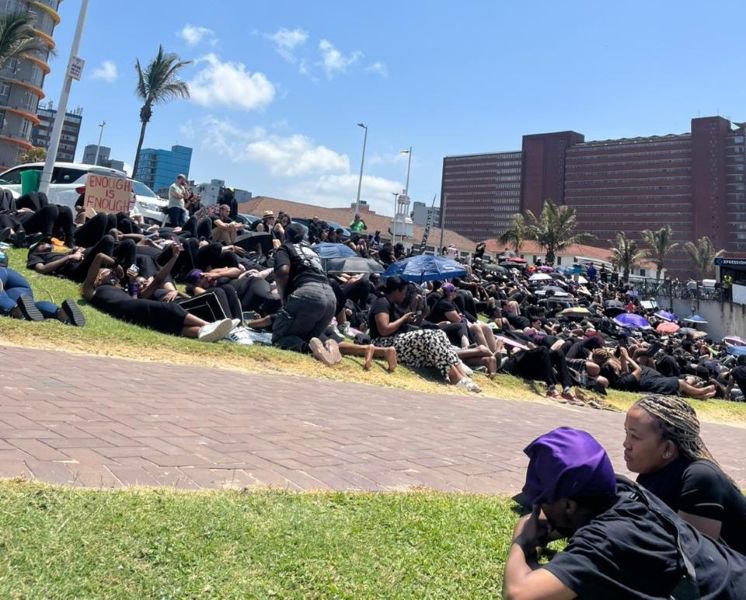
Women for Change led the shutdown as a unified, nonviolent protest against the nation’s continued operation when women are dying. People traveled from all over the country. They came together to honor the victims of the femicide crisis. Participants dressed in black and purple.
The 15-Minute Silent Standstill at 12:00 PM was the focal point of the event. Thousands of people gathered for a synchronized action in places such as Rhodes. Similar gatherings occurred at Cape Town’s Sea Point Promenade and Johannesburg’s famous Constitution Hill. They also gathered on other campuses. A total of fifteen minutes were observed. Each minute honored a woman. These women are thought to be killed every day in South Africa.
Both participants and leaders acknowledged the movement’s unity. The Women for Change founder said she was shocked and overwhelmed by the outcome of the shutdown.
The G20 Pressure Point
The action was planned to take advantage of the intense attention of international delegates. It also aimed to leverage the world’s media on the eve of the G20 Leaders’ Summit. The political promise of yesterday became the legal reality of today as a result of this persistent pressure.
Yesterday, President Cyril Ramaphosa had conceded that GBVF was a “crisis” requiring urgent intervention. Minister Hlabisa reassessed the situation. He stated today that the Head of the National Disaster Management Center (NDMC) formalized the classification. This was done by invoking Section 23 of the Disaster Management Act.
About the Author