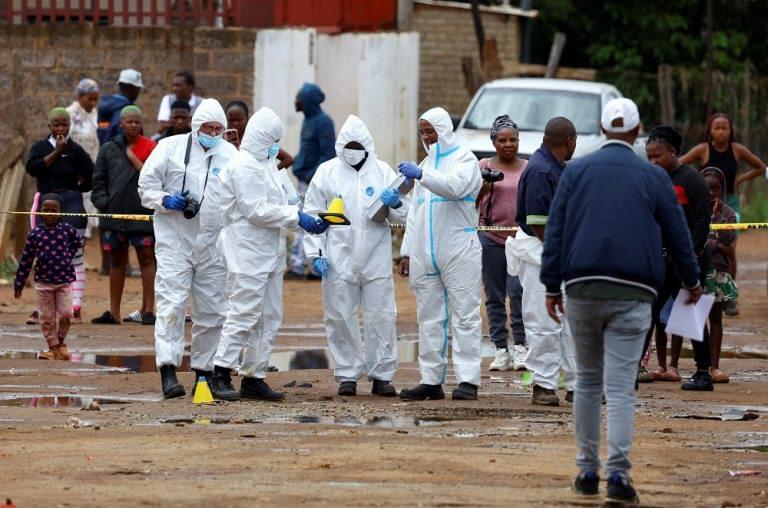
Promises of jobs. Contracts in Russian. Combat in Ukraine. And now, evidence tying MKP to the trip. Image: AFP
(The Post News)- Seventeen South African men were recruited. They were promised legitimate “bodyguard training” linked to the uMkhonto weSizwe Party (MKP). They ended up fighting on the frontlines of the Russia-Ukraine war after arriving in Russia in mid-2025. What seemed like an opportunity for career progress has turned into a shocking international scandal. It involves claims of human trafficking, political deception, and exploiting unemployed young men.
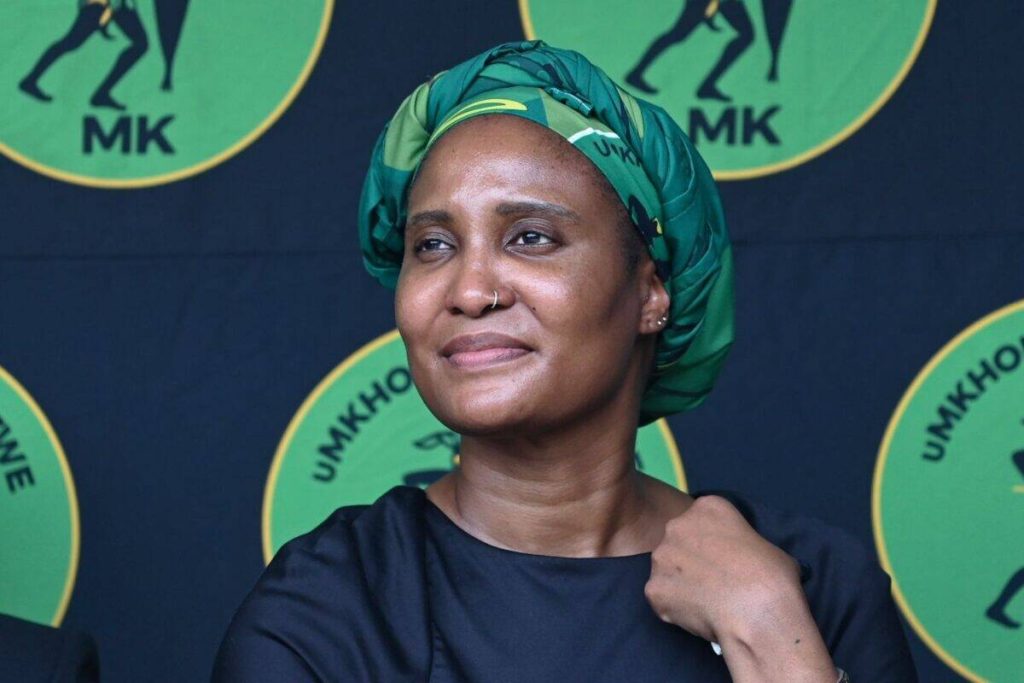
MK Party, MP Duduzile Zuma-Sambudla faced allegations of being an accomplice in the false Russian mercenary recruitment. Image credit: Brenton Geach
The recruits, aged from 20 to 39, left South Africa in July 2025. Families say the men were promised jobs as VIP protection officers for senior MKP leaders upon their return. Many had little or no firearms experience but believed that training abroad would lead to stable employment. They traveled from OR Tambo International Airport to Dubai. Then they went to Moscow. In Moscow, Russian soldiers took them to Pskov. They expected structured training in executive protection there.
What Happened After They Arrived in Russia?
Soon after their arrival, the men received contracts written entirely in Russian, a language none of them understood. When they asked for translations, none were provided. Some initially hesitated to sign the documents. This hesitation led to some of the recruits being coerced into signing. However, several recruits claim they were convinced to sign by Duduzile Zuma-Sambudla. She is the daughter of former President Jacob Zuma. Allegedly, she visited them in Russia with two other organisers, Blessing Khoza and Siphokazi Xuma-Zuma. According to declarations from Zuma-Sambudla’s half-sister, Nkosazana Zuma-Mncube, these individuals played key roles in the recruitment. They invoked the MK Party’s name and authority to do so.
What happened next was far from the promised “bodyguard training.” The recruits say they were handed over to a Russian private military organization. They were given combat uniforms. They also received brief weapons handling instruction. Within days, they were sent to the frontlines of the war in eastern Ukraine and forced into active combat roles. Some described sleeping in forests. Others mentioned operating heavy artillery. Many faced constant bombardment, which was much different from the professional security training they had expected.
Investigation Into The Matter
The scandal escalated when News24 obtained documents. These documents proved that the MK Party was billed about R20,000 for at least one recruit’s one-way flight to Russia. This finding directly contradicts the party’s public claims that it had no role in financing or organising the trip. MKP leaders insist that the recruiters acted on their own. However, the invoice shows a direct link between the party and the arrangements. These arrangements enabled the men’s departure.
The allegations sparked a political crisis. Duduzile Zuma-Sambudla resigned from Parliament days after her sister filed a human-trafficking complaint against her. Meanwhile, the families of the stranded men are urgently pleading with the South African government. They report that their loved ones are trapped near active combat zones. They cannot leave. Some are believed to be within 10 kilometers of the Ukrainian frontline, enduring harsh and dangerous conditions.
Law enforcement agencies, including the Hawks, are now looking into the recruitment network. Authorities arrested a fifth suspect in late November 2025. This individual is joining several others already detained for allegedly recruiting South Africans to fight for Russia. The Presidency has acknowledged the urgency and gravity of the situation. It is working through diplomatic channels to secure the safe return of the recruits.
The broader implications of the scandal go beyond the individuals involved. It highlights the vulnerability of unemployed young South Africans. They may be easily lured by seemingly legitimate opportunities. These opportunities hide dangerous consequences. It raises alarming questions about the responsibility of political parties. Ethical issues arise as well. Their networks might be misused to support illegal foreign military recruitment. As the investigation continues, the MK Party faces increasing scrutiny. Investigators examine how the party’s name and structures were used to send South Africans into a foreign war under pretences.
For now, the families of the seventeen men continue to wait anxiously. They hope that international and domestic pressure will help bring their loved ones home. Additionally, they want the full truth revealed behind a recruitment scheme. This scheme turned a hopeful opportunity into a nightmare of survival on an international battlefield.
About the Author