US military targets alleged drug-smuggling boats, sparking controversy and debate on international law and human rights.
The US military has carried out strikes on three vessels in the eastern Pacific Ocean, killing eight men, as part of an ongoing campaign against drug trafficking. The US Southern Command confirmed that the vessels were transiting along known narco-trafficking routes and were engaged in narco-trafficking.
US Military Strikes In The Pacific
The strikes are part of a larger military campaign launched by President Donald Trump to combat drug smuggling from the region. Since early September, the US military has targeted alleged drug-smuggling boats in the Caribbean Sea and eastern Pacific Ocean, destroying at least 26 vessels and killing at least 95 people.
The use of military force to attack suspected drug vessels marks a significant departure from the US’s historical approach to dealing with such situations. The Trump administration has defended the legality of the strikes, stating that they comply with US and international law.
However, some legal experts have raised concerns that the strikes amount to unlawful extrajudicial killings. The UN High Commissioner for Human Rights has called for an investigation into the strikes, stating that they may violate international human rights law.
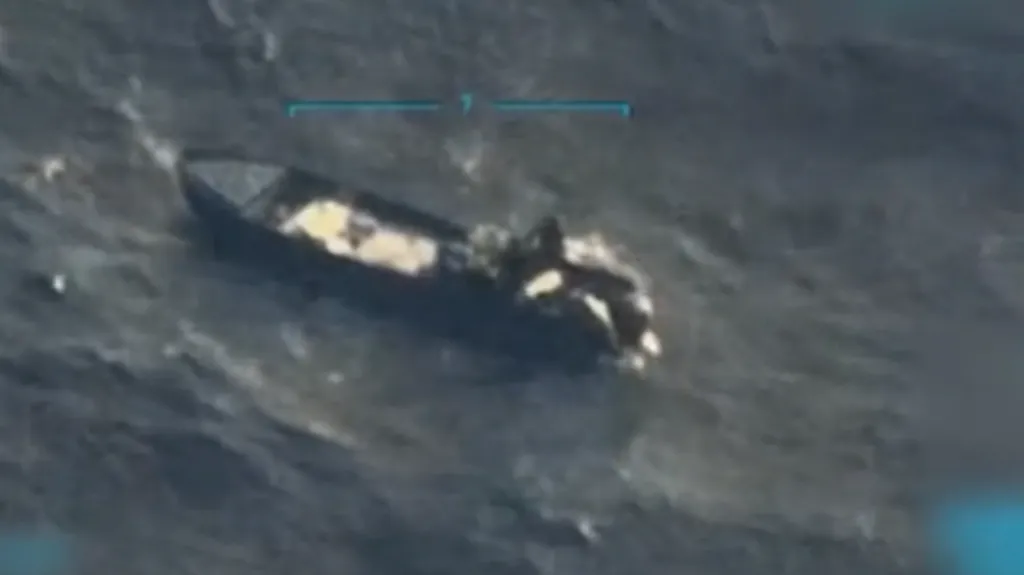
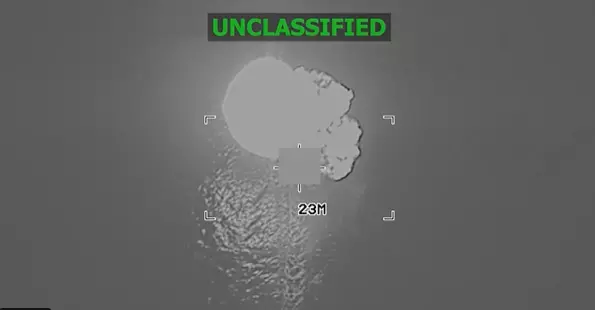
The US military has released video footage of the strikes, showing three separate boats floating in the water before being hit. The strikes have been accompanied by a massive US military buildup in the Caribbean, including the deployment of the world’s largest aircraft carrier and other warships.
Venezuela Regime Change
Venezuela’s President Nicolas Maduro has accused the US of using the anti-drug campaign as a pretext for regime change in Caracas. The US has denied these allegations, stating that the goal is to combat narco-trafficking.
The US Southern Command has stated that its operations are lawful under US and international law, with all actions complying with the Law of Armed Conflict. However, the legality of the strikes remains a subject of debate.
The strikes have also raised concerns about the potential for civilian casualties. In one incident, survivors of an initial attack on a boat were killed after the US launched a second strike on the vessel, sparking accusations of a possible war crime.
The US military has maintained that it is taking steps to minimize the risk of civilian casualties, but the controversy surrounding the strikes highlights the complexities and challenges of using military force in combating drug trafficking.
It is clear that the US military’s actions will have significant implications for regional security and human rights. The use of military force to combat drug trafficking is a complex issue, and one that will require careful consideration and debate.
The US must balance its goal of disrupting the flow of illicit drugs with its obligations under international law and human rights principles. The strikes have highlighted the need for a nuanced approach to addressing the complex issue of drug trafficking.
About the Author