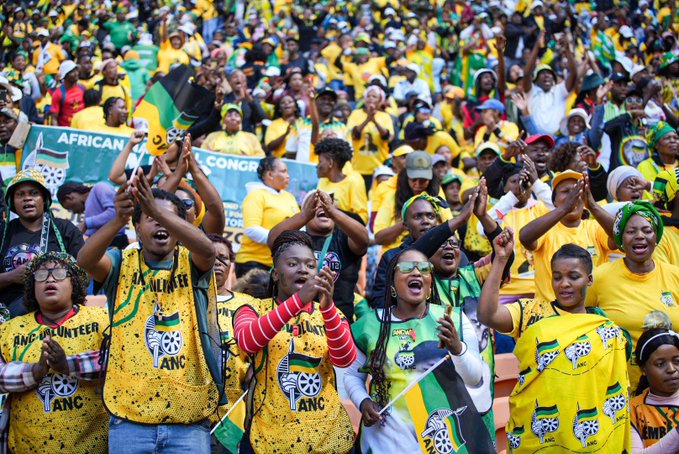
South Africa’s proportional representation system has been a cornerstone of its democracy since the end of apartheid. The system allows for diverse representation, giving smaller parties a voice in government. This can be beneficial in a multipolar country like South Africa, where different languages, races, ethnicities, and religious beliefs are represented.
However, critics argue that the system favors bigger parties with more voters, making it difficult for smaller parties to have a significant impact. The Government of National Unity, while working in theory, often ends up favoring parties with larger numbers, as decisions are made based on their political ideologies. This can lead to a lack of representation for smaller parties and marginalized groups.
Proportional Representation VS Direct Representation
The USA’s direct representation system, on the other hand, provides a clear winner and loser, but it may not accurately represent the diversity of views within a country. Some experts suggest that South Africa’s proportional representation system could be improved by implementing reforms, such as mixed-member proportional systems, which would allow for independent candidates to compete with political parties.
In a multipolar country like South Africa, it’s crucial to strike a balance between representation and effective governance. Perhaps exploring alternative electoral systems or refining the current one could help address these concerns. One possible solution is to introduce a hybrid system that combines elements of proportional representation and direct representation.
This could involve allocating a certain percentage of seats to be elected through a proportional representation system, while the remaining seats are elected through a direct representation system. This would allow for a more nuanced representation of the population, while also ensuring that smaller parties have a voice in government.
Electoral Reforms
Another possible solution is to introduce electoral reforms that promote greater accountability and transparency. This could include measures such as campaign finance reform, electoral boundary delimitation, and voter education programs. By increasing transparency and accountability, voters can make more informed decisions, and the electoral system can be seen as more legitimate.
The current system has also been criticized for leading to coalition governments, which can be unstable and ineffective. In some cases, smaller parties may hold the balance of power, allowing them to extract concessions from larger parties. While this can be beneficial in terms of representation, it can also lead to gridlock and instability.
On the other hand, some argue that the proportional representation system has allowed for a more inclusive and representative government. The system has enabled smaller parties to participate in government and has promoted a culture of coalition-building and negotiation.
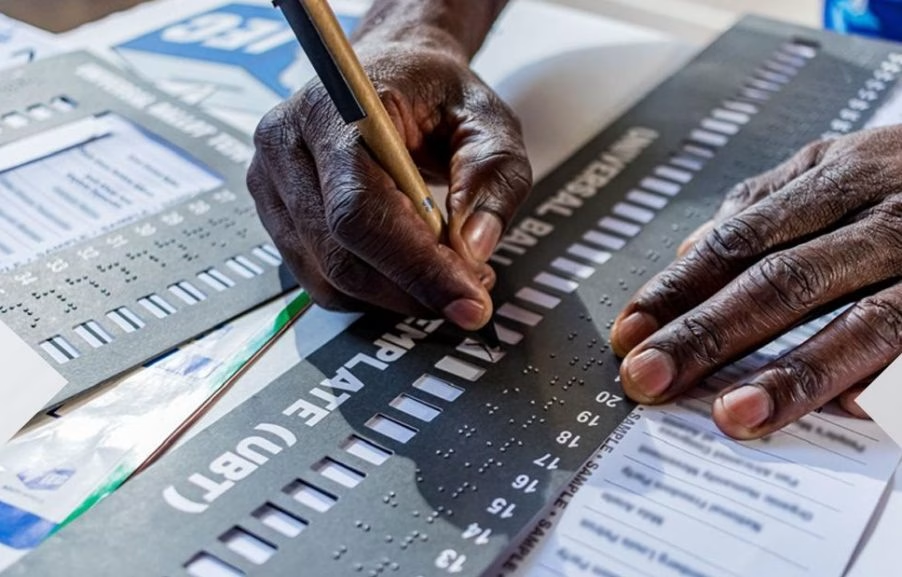
However, the system is not without its challenges. The Independent Electoral Commission (IEC) has faced criticism for its handling of elections, and there have been allegations of electoral irregularities and fraud. To address these concerns, the IEC must be strengthened and given greater independence.
In addition, there is a need for greater voter education and awareness. Many South Africans are not aware of the electoral system and how it works, which can lead to disillusionment and apathy. By educating voters about the system and its benefits, we can increase participation and engagement in the democratic process.
The South African government has acknowledged the need for electoral reform and has established a commission to review the electoral system. The commission’s recommendations are expected to be implemented in the near future, and it is hoped that they will address some of the concerns raised above.
About the Author