Iran is currently experiencing its largest wave of protests since 2022, sparked by a devastating economic crisis and widespread dissatisfaction with the government. The protests began on December 28, 2025, with shopkeepers and merchants in Tehran closing their shops and gathering in the streets to protest the unprecedented collapse of the Iranian rial and sharp increases in currency and gold prices.
Economic Crisis
The economic crisis has been fueled by a combination of factors, including international sanctions, a decline in oil revenue, and government mismanagement. The rial has lost nearly half of its value in 2025 alone, leading to hyperinflation and soaring food prices, with food prices rising by 72% year-on-year and medical goods increasing by 50%.
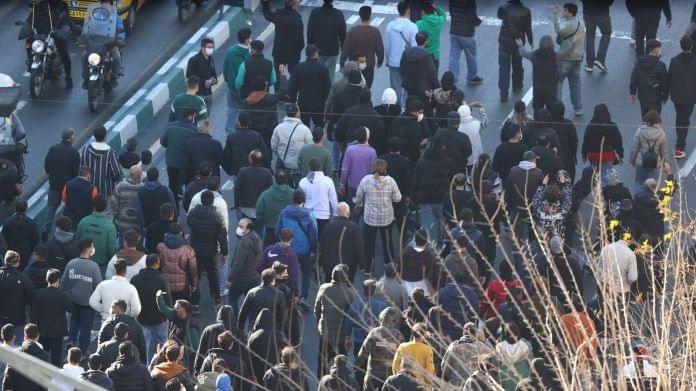
Protesters are demanding economic relief, an end to government corruption, and changes to the country’s political system. Many are calling for the overthrow of the Islamic Republic, with slogans such as “Death to the Dictator” and “Pahlavi will return” echoing through the streets.
The protests have spread to multiple cities, including Isfahan, Shiraz, Mashhad, and Kermanshah, with reports of clashes between protesters and security forces. Authorities have responded with tear gas and live ammunition, resulting in several deaths and hundreds of arrests.
State of Emergency
The Iranian government has declared a state of emergency, shutting down offices, universities, and businesses in an attempt to quell the protests. However, the protests continue, with many Iranians expressing their frustration and desperation.
As the protests enter their sixth day, the situation remains tense, with reports of funerals turning into anti-regime protests and security forces using lethal force against protesters.
The protests highlight the deep-seated economic and political challenges facing Iran, with many questioning the government’s ability to address the crisis.
The role of merchants and shopkeepers in the protests is significant, as they have historically played a key role in Iranian politics, including the 1979 Islamic Revolution.
The protests also reflect a growing desire for democratic governance and personal freedoms among Iran’s youth, who are increasingly resistant to Islamic norms.
Iran’s economy has been severely impacted by international sanctions, which have constrained its oil exports and frozen its assets abroad.
The government’s response to the protests has been criticized by many, including prominent Iranian politician Mostafa Tajzadeh, who has called for the abolition of theocracy and a democratic overhaul of the system.
About the Author