Sea rescue
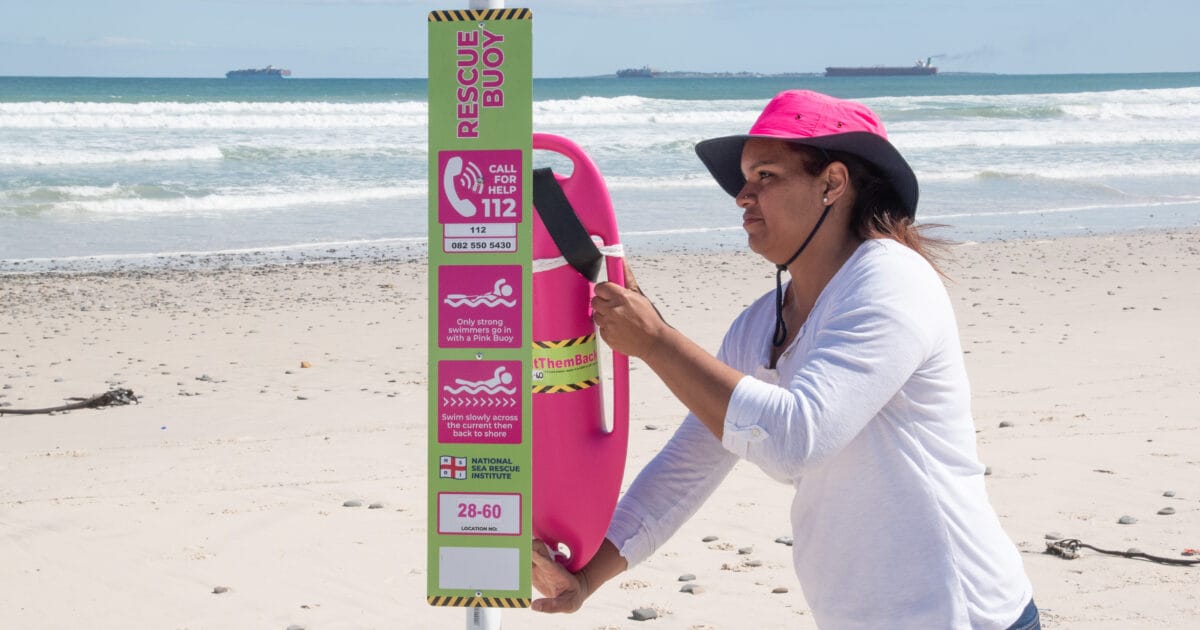
NSRI toasts to a major milestone: 200 lives saved thanks to proactive initiatives. Image: NSRI
(The Post News)- The National Sea Rescue Institute (NSRI) celebrated a significant success as its initiative, the Pink Rescue Buoy, has rescued up to 200 people since its launch in 2017. Despite the drowning incidents that took place this year, the NSRI has been dedicated to saving lives one day at a time, celebrating its large success in saving at least 200 people this year.
The reason behind the Pink Rescue Buoy’s project launch was to provide a simple, easy-to-use rescue device at popular and sometimes dangerous swimming spots. The devices are easy to spot from afar and are placed at beaches, rivers, and dams. These devices urge bystanders to safely and quickly act in an emergency, get the correct emergency number from the Pink Buoy sign, and ensure that help is available to the person in distress while they wait for formal rescue services.
Mike Vonk, NSRI CEO, expressed that they are thrilled to know that they have saved 200 lives using a Pink Buoy so far, underscoring the importance of readily making them available at high-risk locations. Vonk further explained that the Pink Rescue Buoy project has been a game-changer regarding the involvement of the community in water safety, and each Pink Buoy serves as a symbol of safety, provides a lifeline to those in distress, and raises awareness about the dangers of water.
Andrew Ingram, NSRI’s Communications Manager, emphasized the importance of public awareness and the role of untrained people in the initiative’s success, stating that the Pink Rescue Buoy is effective due to the fact that it enables ordinary citizens to make a difference. As time is critical in any drowning situation, with these buoys in place, basically anyone around can help without getting themselves in danger unnecessarily. He also urges communities to play an important role in helping and preventing drownings from happening. The public is also urged by the NSRI to support them in order to grow their drowning prevention projects, so more lives in the future can be saved.
About the Author