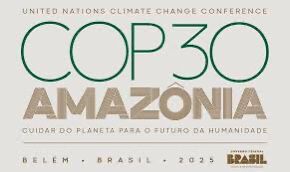
COP30 is to take place in November in Brazil. Image: ICS
(The Post News)- Brazil hosts the COP30 climate summit, amplifying developing nations’ voices in the dispute over funding a cleaner energy transition globally. Wealthy nations pledged $300 billion annually to support developing nations by 2035. This occurred after a tense standoff at the summit last year in Azerbaijan. However, some nations’ $300 billion pledge falls short, meeting only a fraction of developing countries’ $1.3 trillion annual need. The fight may likely continue this year as well.
Newly appointed president of COP30, Andre Correa do Lago, said it was already hard to get to $300 billion with the U.S. in the negotiation. Under President Biden’s control, the U.S. strengthened multilateral banks’ role in financing climate change and mitigation projects globally. Correa do Lago added that without all that action, increasing climate finance will be harder now. Not only that, the U.S. is an essential player because it’s the largest economy. However, it is also the biggest emitter and one of the countries that provided solutions with technology.
Correa do Lago says they are still analyzing President Trump’s decisions. There is no doubt that it will have a significant impact on the preparation of the COP.
Developing countries unite to resist wealthy nations’ calls to expand climate change financial support obligations globally, according to Correas do Lago. European leaders have been calling on emerging economies that are big polluters and wealthy. Furthermore, they made it mandatory for the economies to contribute to helping poorer countries cope with climate change in the last few years. China, the world’s most populous nation after India, is the largest emitter of greenhouse gases globally.
UN climate talks convene in the Amazon rainforest amid record heat and growing distrust over climate action. Luiz Inacio Lula da Silva, the Brazilian president, named Correa do Lago to preside over the November meeting on Tuesday. Lula writes on X that they will hold a historic COP30 for a more fair and sustainable future for the planet.
Brazil is under pressure to boost climate aid for developing countries after the 2024 Azerbaijan meeting fell short. As for the U.S., it will formally exit in one year under the accord’s rules.
About the Author