Rwanda shows positive reaction to the proposed SADC and EAC summit to discuss the ongoing DRC conflict. Image: Ahram.
(The Post News)– As the Democratic Republic of Congo (DRC) situation intensifies, with African leaders going back and forth with Rwanda’s President Paul Kagame, being accused of backing up the M23 rebels, they have agreed on a meeting between two major African regional groups to address the DRC crisis. This was done in response to the announcement of soldier casualties in Tanzania, thus adding to the mounting toll on regional peacekeeping forces.
The M23 rebel group, believed to be backed by Rwanda, has made significant advances in eastern DRC, including the recent seizure of Goma—a vital city—which opens the way toward Kinshasa, the DRC capital, thus contributing to the already unstable situation of this long-time troubled region.
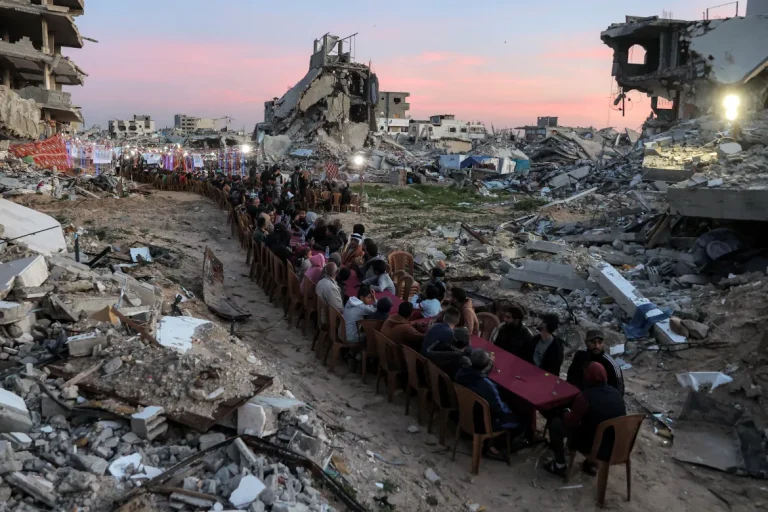
The DRC conflict has caused a humanitarian crisis, displacing 500,000 people, not counting those already internally displaced in the region. While the international community has reacted promptly, emergency meetings were called by SADC and the EAC to address the growing security problems.
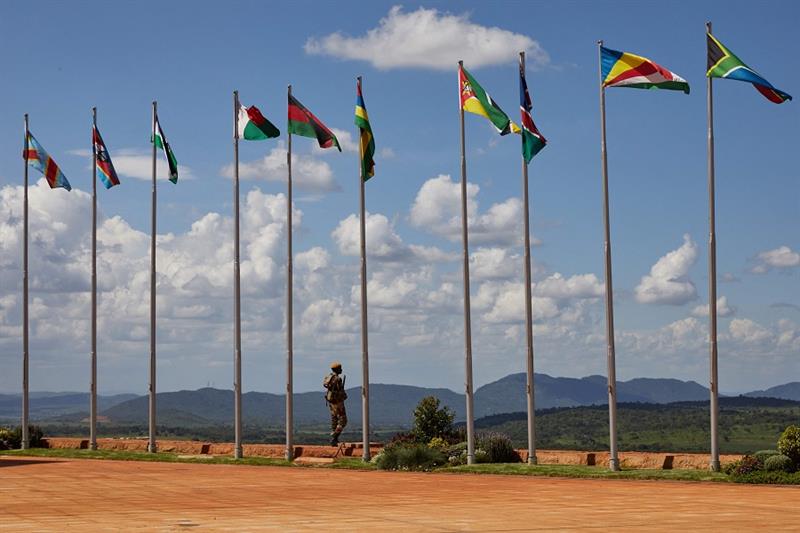
SADC held an emergency meeting last week in Harare without the presence of Rwanda’s President Paul Kagame, as Rwanda is not part of SADC. However, DRC President Felix Tshisekedi participated online, and earlier that week, Kagame attended an EAC emergency meeting that Tshisekedi did not join. They later proposed a meeting with the EAC to develop a cooperative approach to resolving the conflict in the DRC. Rwanda’s Foreign Ministry welcomed this initiative, emphasising its commitment to a political resolution, though specific strategies were not detailed.
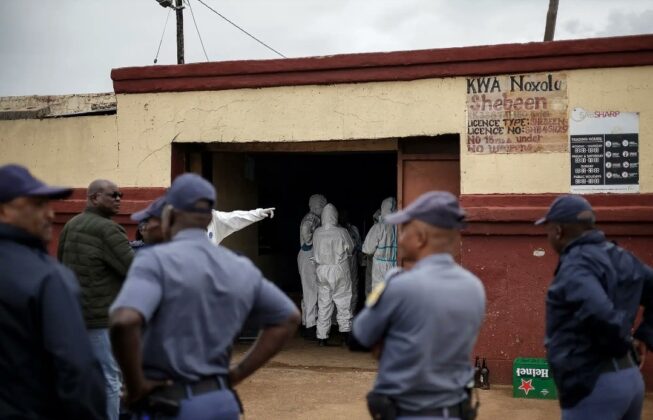
The SADC meeting occurred amid rising casualties among peacekeepers. Soldiers involved from South Africa and Malawi, in the Southern African Development Community Mission in the DRC (SAMIDRC), were killed in clashes near Goma. On Sunday, Tanzania reported two of its soldiers were killed, with more injured. This has brought the total number of peacekeeping casualties to at least 22, including troops from South Africa, Malawi, and Uruguay. Rwanda has been critical of the SAMIDRC’s presence, arguing that it exacerbates existing issues.
This position is consistent with President Kagame’s earlier statements, which justify Rwanda’s involvement in the DRC due to threats from the FDLR, a group of Hutu extremists from the 1994 Rwandan genocide.Although Rwanda has repeatedly denied any backing of the M23, a July report by the United Nations alleged that some 4,000 Rwandan troops had crossed into eastern DRC. The report accused Rwanda of aiding the M23.
The deteriorating situation has drawn international concern about the human cost of the war, which has become particularly distressing, as the UN warns that conditions may further deteriorate if the fighting continues to expand. Moreover, the urge for a joint summit underlines the urgency of the issue; it has become urgent to avoid further escalation and seek a durable solution through dialogue.
About the Author