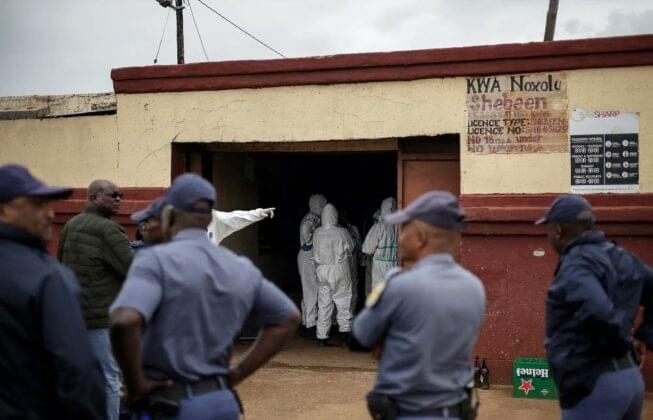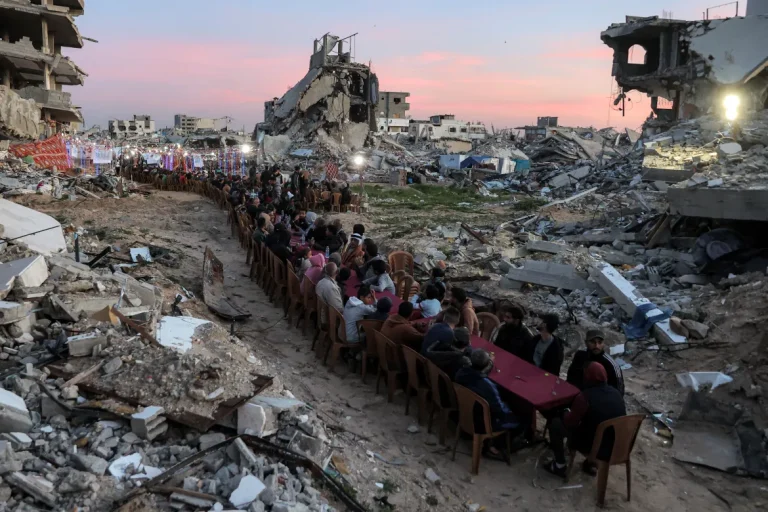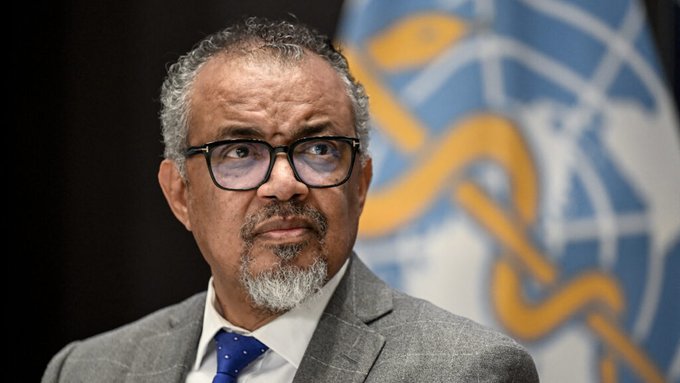
US aid cuts pose a major setback to 20 years of health progress globally. Image: Ghebreyesus shared via X @DrTedros.
(The Post News)– Recent cuts to international aid from the United States are having a significant impact on communities around the world. Health programs, vital for saving lives, are facing crippling disruptions. Without immediate action, these cuts could reverse decades of progress in fighting diseases such as malaria, HIV, and tuberculosis.
The U.S. has historically been a leader in global health funding. For years, American support has helped combat diseases and improve health systems. However, recent decisions have led to the withdrawal of vital resources. This has left many countries scrambling to maintain essential health services.
Tedros Adhanom Ghebreyesus the Director-General of the World Health Organization during a live stream on X platform cited that more than 27 countries in Africa and Asia are experiencing severe setbacks. He also stated that the abrupt halt of US aid funding has driven programs to fight malaria, tuberculosis, and HIV into a crisis. According to Ghebreyesus, while the US has the right to select how to spend its money, if it is to withdraw, it should do so in a planned manner.
The Director General adds that most of these nations depend heavily on U.S. aid for their health programs. Without this support, they face critical shortages of medicine and manpower. Patients may soon find that treatments for diseases like HIV and tuberculosis are no longer available.
In the fight against malaria, recent developments are particularly concerning. Countries like Burundi have begun introducing malaria vaccines, which could save tens of thousands of lives each year. Yet these beneficial programs could falter due to funding cuts. Health officials warn that if aid remains reduced, many will suffer from preventable diseases.
In the case of HIV, the impact of reduced funding is dire. Many countries are now running low on essential medicines. As a result, they may see a surge in new HIV infections and related deaths. Experts predict that up to 10 million additional cases could emerge if treatment programs collapse. This is not just a health crisis; it is a human tragedy in the making.
Tedros continued to emphasize that countries also face challenges in controlling tuberculosis. The cuts have not only halted treatment but have made it diffucult to diagnose new cases. Many medical professionals are leaving the field due to insufficient funding. Communities reliant on these health workers are now at risk.
The repercussions extend beyond health. Disruption in health services affects economic stability. When people are unhealthy, they cannot work. When they cannot work, families struggle. Local economies take a hit, which can lead to broader regional instability.
In addition to these health challenges, humanitarian crises are worsening. Millions of people could lose access to essential services. Hospitals and clinics have already begun suspending operations in many regions. These facilities deliver critical care in times of need, and their absence will be felt deeply.
While the U.S. has every right to determine its funding priorities, it must do so thoughtfully. A sudden withdrawal affects not just those receiving aid but also impacts global health security. Infectious diseases do not recognize borders. If outbreaks start in underfunded areas, they could spread worldwide.
Experts urgently call for the U.S. to reconsider its approach. A dialogue with impacted countries could ensure that funding is restored sustainably. Collaboration is key to finding alternative solutions without causing further harm.
The world is watching. The consequences of aid cuts will be felt for years. If immediate action is not taken, decades of progress in global health may be lost. The time to act is now. Our shared future depends on it.
About the Author