Nuclear-Armed Rivals Clash: India and Pakistan on Brink as Diplomatic Efforts Intensify. Image: CNN.
(The Post News)– India and Pakistan are experiencing heightened tensions, with both countries exchanging accusations and attacks across their border in Kashmir. The situation is volatile, with fears of escalation between the two nuclear-armed nations.
According to the Indian army, Pakistan launched drone attacks along India’s western border, which India claims to have repelled and responded to forcefully. Both sides have accused each other of numerous ceasefire violations and drone attacks, sparking concerns about the potential for a larger conflict.
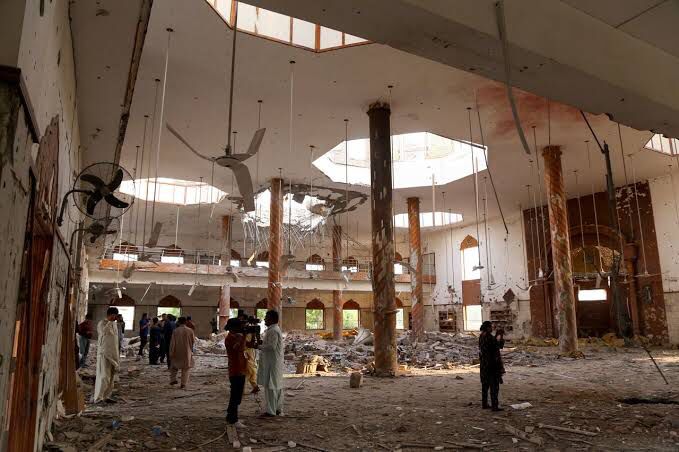
In contrast, local officials near the Line of Control reported intense artillery exchanges, resulting in four civilian deaths and 12 injuries, with firing persisting into Friday morning.
Pakistan’s Information Minister, Attaullah Tarar, dismissed the Indian army’s statement as “baseless and misleading,” asserting that Pakistan hasn’t initiated any “offensive actions” targeting areas within Indian-administered Kashmir or beyond its borders. Pakistan denied allegations of attacking several Indian locations, including Pathankot, Srinagar, and Jaisalmer, calling the claims “unfounded” and “politically motivated.”
South Asia analyst Michael Kugelman cautioned that the spread of disinformation is a significant concern, posing dangers alongside the escalating hostilities. He advised the public to rely on verified sources and fact-checkers to stay informed.
India initiated “Operation Sindoor,” a military operation targeting terrorist camps in Pakistan and Pakistan-occupied Kashmir, in response to a deadly attack on tourists in Indian-administered Kashmir. New Delhi accuses Islamabad of supporting the attackers, which Pakistan vehemently denies. The situation has escalated, with increased exchanges of fire, drone activity and airspace violations, resulting in nearly four dozen fatalities, mostly on the Pakistani side.
The current clashes represent one of the most severe escalations between the two nuclear-armed nations over the years. India and Pakistan have a long-standing dispute over Kashmir, which has led to three full-scale wars since both countries gained independence from Britain in 1947, with each side claiming sovereignty over the region.
Global powers, including the United States and China, are urging India and Pakistan to show restraint amid escalating tensions. The U.S. Secretary of State, however, likely referring to a different official such as Antony Blinken, reportedly spoke with leaders from both countries, emphasizing the need for “immediate de-escalation” to prevent further conflict.
Global leaders are calling for calm between India and Pakistan. US Vice President JD Vance urged de-escalation but emphasized the US wouldn’t intervene, saying it’s “none of our business.” Iran’s Foreign Minister Abbas Araghchi, visiting New Delhi, also advocated for restraint. China, a close Pakistani ally, described India’s actions as “regrettable” and urged both sides to prioritize regional stability and avoid worsening the situation.
About the Author