Bamboo in Uganda
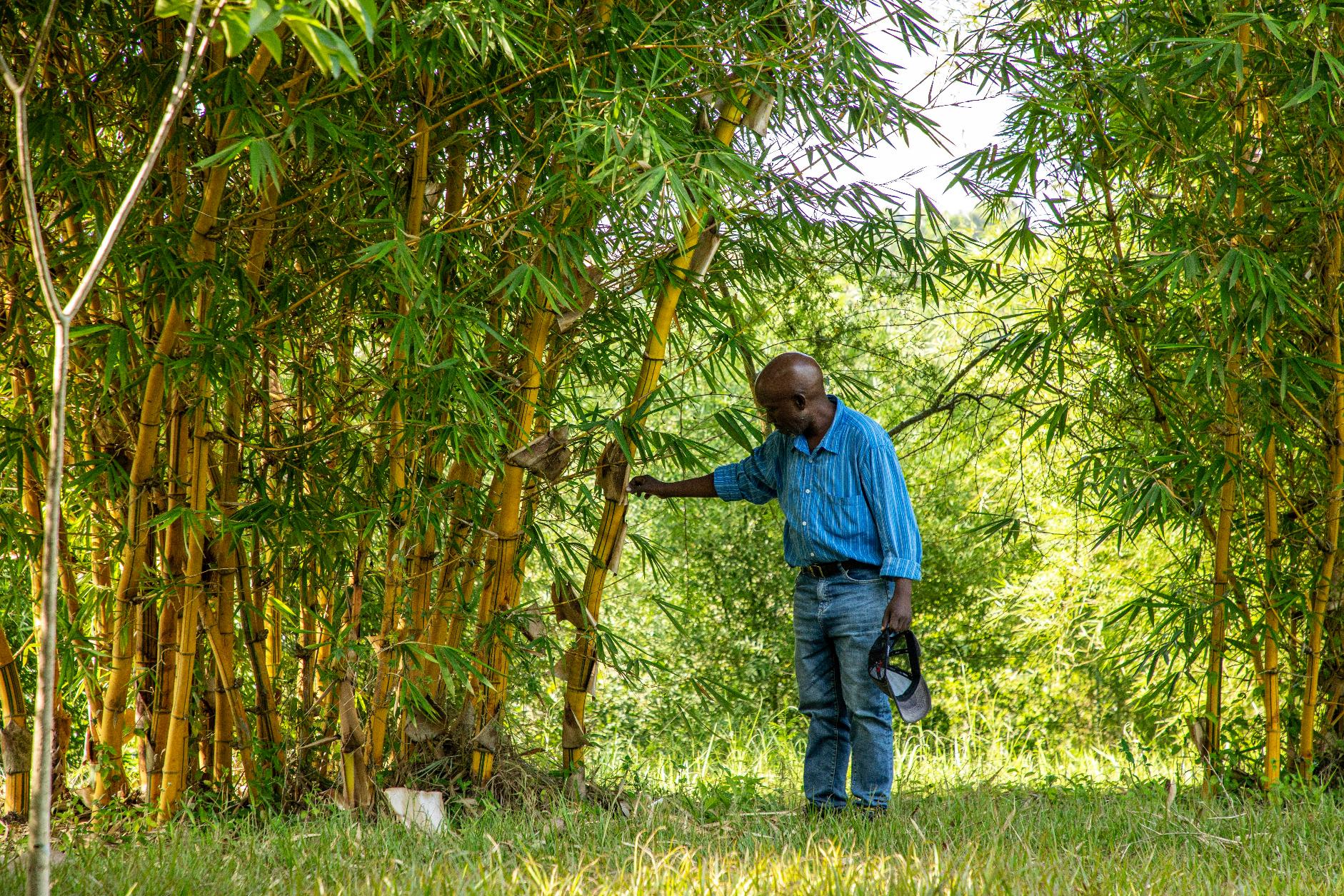
Image of Steve Tusiime At His Bamboo Nursery, Uganda (Dipak Moses/AP)
Bamboo is no longer just a plant; it’s a potential game-changer for Uganda’s growth and sustainability. From its versatility to its resilience, this fast-growing tree is capturing the attention of Ugandans like Steve Tusiime, who runs a bamboo nursery in Mbarara.
Tusiime is among many who recognize the numerous uses of the plant. “You can produce the briquette; you can use it directly as firewood. You can eat it, you can use it to build, you can create an industry for them, you can feed it to your animals, and it can take care of your land,” he said.
What makes bamboo stand out in Uganda’s agricultural landscape is its adaptability. Unlike some plants, it doesn’t wait for a specific season to thrive. “There is no bamboo season,” explains Joseph Katumba, a farm caretaker in Kitara. “The more you look after it well, weeding around it, the more and more years you will earn from bamboo.”
Compared to the more commonly known eucalyptus tree, bamboo proves to be more resilient and self-regenerative. Its appeal has grown immensely, especially with Uganda’s ambitious reforestation project. The government aims to cultivate around 300,000 hectares of bamboo within five years. This initiative could contribute significantly to reforesting 2.5 million hectares of land by 2030 and potentially create up to 700,000 jobs.
Dr. Goretti Kitutu Kimono, Uganda’s Minister of State for Environment, introduced the National Bamboo Strategy and Action Plan for 2019–2029. This strategy aims to promote the development of the bamboo industry, boosting green economic growth and targeting domestic and international markets.
However, the benefits of farming it extend beyond economic growth. Uganda’s high levels of food insecurity are being addressed through the cultivation of bamboo. Bamboo shoots, a delicacy known as Malewa, provide essential nutrients like fiber, protein, and minerals. Additionally, bamboo serves as a reliable and eco-friendly building material, ideal for roofing, flooring, and fencing.
Tusiime’s optimism about bamboo’s potential isn’t unfounded. As he aptly puts it, “Bamboo is going to be a game-changer in Africa.” Embracing sustainable agricultural practices like bamboo farming not only secures economic prosperity but also ensures that future generations inherit an ecosystem in balance with nature. In Uganda, bamboo isn’t just a plant it’s a symbol of progress towards a greener, more sustainable future.
About the Author