Israeli and Hamas negotiators resume indirect talks for the second day in Doha as international mediators push for a ceasefire and hostage deal amid ongoing violence in Gaza. Image: Al Jazeera.
(The Post News)– Indirect Israeli-Hamas negotiations came back for a second day on Monday in Doha as international mediators hurried to secure a much-anticipated ceasefire and hostage exchange deal in Gaza.
The talks, moderated by Qatari, Egyptian, and American diplomats, are about an American-backed proposal providing a 60-day ceasefire for the gradual handover of Hamas-held hostages and Palestinian prisoners in Israeli jails. A negotiator familiar with the talks described Sunday’s sessions as “positive,” but Palestinian authorities cautioned that most contentious issues remain unresolved.
Under the terms being proposed, Hamas would free eight Israeli captives initially, with the eventual return of two more and the remains of 18 others during the truce. Israel would release a few hundred Palestinian prisoners, scale down its army presence in parts of Gaza, and allow for a quick increase in assistance in return.
But the two sides remain far apart on significant issues. Hamas is demanding a guarantee that Israel will not restart fighting when the six-month ceasefire period ends. That assistance be funneled only by the United Nations and other international bodies—but not by the controversial U.S.-and-Israel-backed Gaza Humanitarian Foundation (GHF)—and a full IDF withdrawal to pre-March lines, relinquishing jurisdiction over large expanses of territory currently occupied by Israel.
Israel, in turn, has rejected Hamas’s proposed changes as “unacceptable” but vowed to keep negotiating. Netanyahu, in departing for Washington on Sunday, said his negotiators had “clear instructions” and that “a deal is possible”—but on terms Israel has already agreed upon.
Prime Minister Netanyahu was to meet President Trump at the White House on Monday evening. The discussion, Israeli officials said, would go beyond Gaza and touch on deeper regional aspirations, including the normalization of relations with Saudi Arabia, Lebanon, and Syria—a cornerstone of Trump’s Middle East strategy. Avi Dichter, Netanyahu’s security cabinet member, had characterized the encounter as one committed to creating “a new Middle East.”
Trump himself has put pressure on Israel and Hamas to finalize a deal, telling the two parties that a ceasefire could be announced in a matter of “hours or days.” But Netanyahu is said to face conflicting pressures at home as well, with members of the far-right coalition opposing any agreement that would be seen as a concession to Hamas.
Despite the diplomatic effort, Gaza conflicts have not ceased. On Monday, at least 61 Palestinians were killed in Israeli shelling and airstrikes, six of whom were inside a clinic sheltering displaced civilians and three others near a GHF aid distribution point, local health officials said.
Gaza’s ministry of health now estimates the death toll since hostilities broke out in October 2023 at more than 57,500, most of them civilians. Another 135,000 or so others have been injured, and nearly all of the 2.3 million residents of the territory have been displaced. Famine conditions and a decimated health infrastructure are being threatened by famine, warns the United Nations.
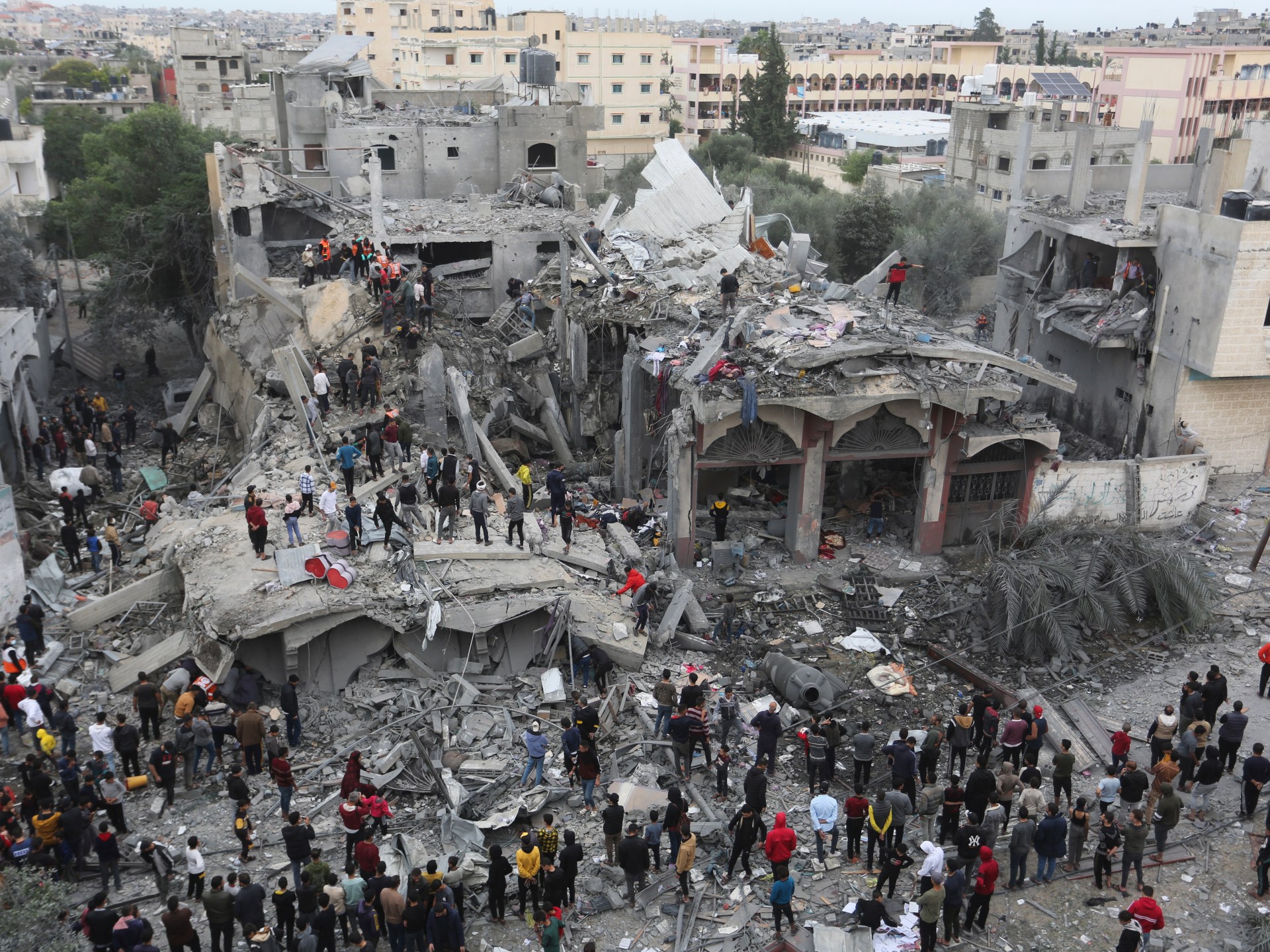
Gaza civil defense authorities said Israel struck a UN-run school and residential areas in recent days. Witnesses described scenes of devastation and chaos as buildings thought to be sheltering civilians were struck by missiles.
Inside Israel, families of the some 49 still held hostage in Gaza and 27 believed killed have planned further protests in Tel Aviv, Jerusalem, and Haifa. They allege Netanyahu has placed political survival ahead of the return of Israeli family members.
Hamas, which has come under immense pressure after incurring vast losses, losing ground, and the deteriorating relationship with regional allies such as Hezbollah and Iran, desires to announce a ceasefire in a bid to regroup. However, it has refused Israeli demands for disarming or expelling its Gaza-based leadership—two issues in dispute that fall outside the draft terms of the agreement.
Hamas knows that it needs a time-out to catch its breath, but survival comes first,” the source, a close ally of the group, said. “They will not accept conditions that lead to the erasure of their role in Gaza.”
Diplomats caution that time is running out to seal a deal. More people die every day, and the humanitarian disaster deepens. Whether Netanyahu’s visit to Trump will break the stalemate or Doha talks will fizzle out like the previous rounds remains uncertain.
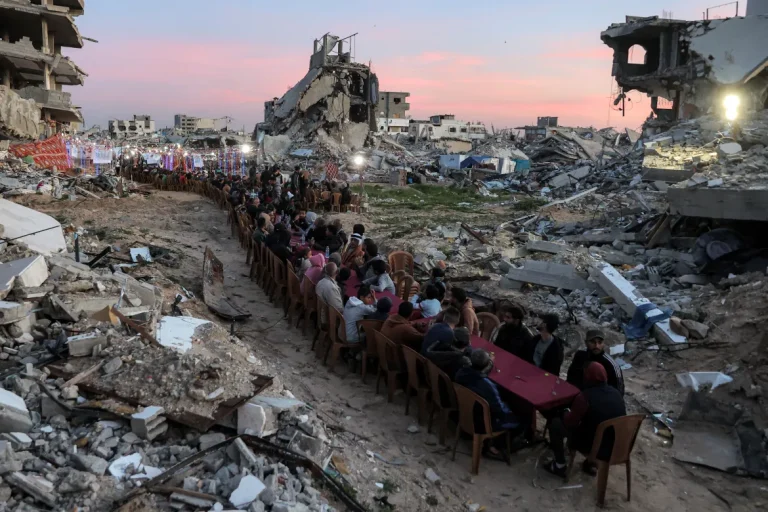
For the moment, Gazans wait patiently in the ruins in the hope that diplomacy can finally stop one of the most devastating conflicts in the region’s recent history.
About the Author