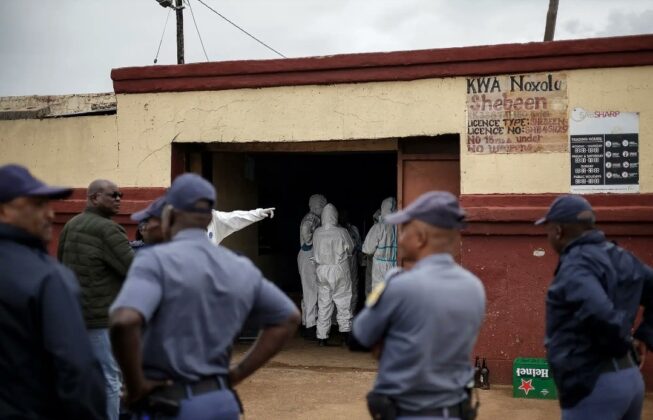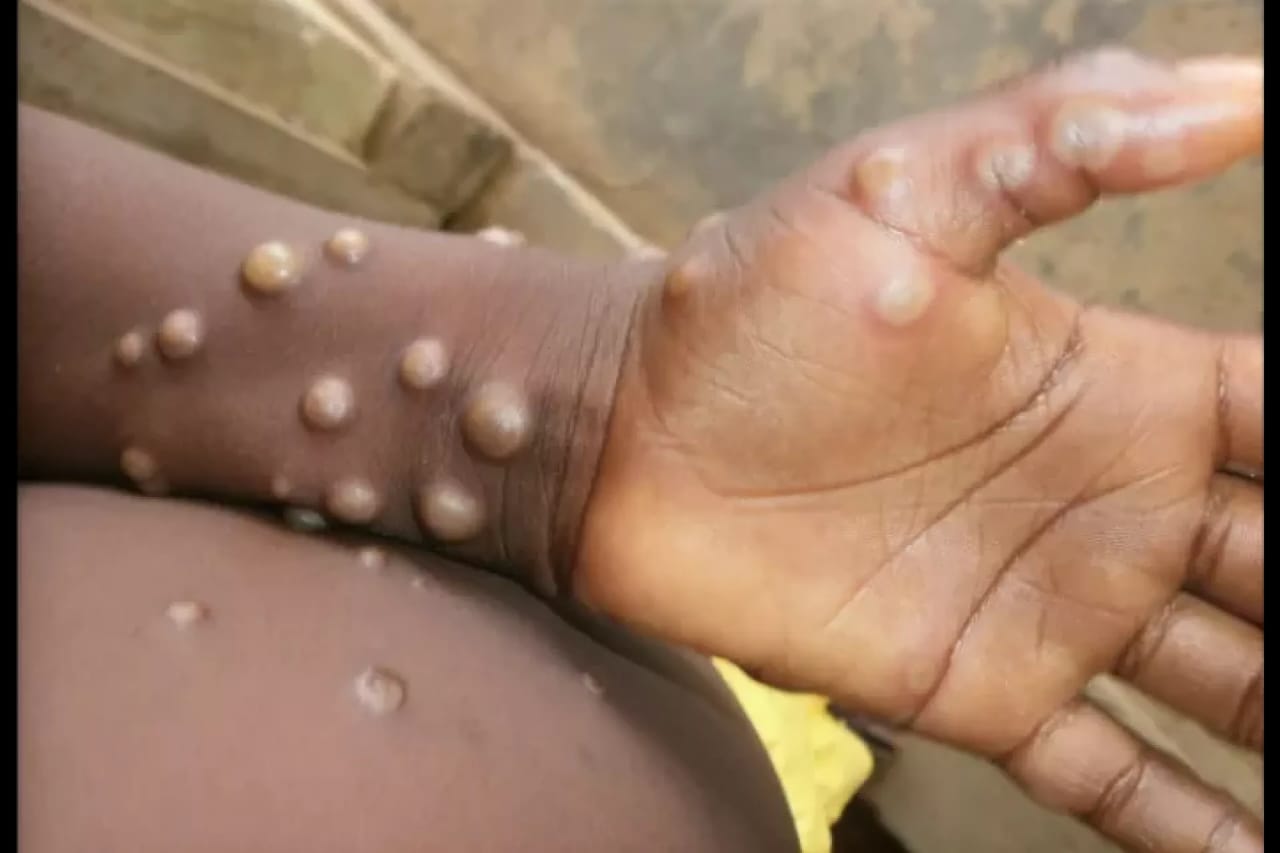
Health officials confirm a new mpox case in Cape Town as vaccination efforts increase in high-risk provinces. Image: UNICEF Uganda.
(The Post News)– Health officials confirm a new Mpox case, previously known as monkeypox, in Cape Town involving a 32-year-old local resident. A second case has been reported in Johannesburg, affecting a 45-year-old individual.
Mpox, a viral disease related to smallpox, is currently causing infections in several regions. Neither individual has recently traveled to regions where Mpox outbreaks are active, as South Africa faces a steady rise in infections.
Foster Mohale, spokesperson for the National Health Department, confirms that laboratory-confirmed mpox cases are gradually increasing across South Africa, with a total of ten infections recorded since the start of 2025. Three of those cases were detected in the Western Cape since last year.
The Department of Health has introduced a focused vaccination campaign in Gauteng, Western Cape, and KwaZulu-Natal, the provinces most impacted by Mpox. This effort seeks to limit the spread of the preventable and manageable illness, with vaccines accessible at certain public health centers, travel clinics, and private healthcare providers.
Department spokesperson Foster Mohale emphasized that those who have received vaccinations are shielded against infection and serious complications, which helps to slow the spread of this avoidable and treatable illness. According to Mohale, South Africa has been supplied with approximately 10,500 doses of the Imvanex mpox vaccine, donated by the Africa Centres for Disease Control. The vaccine, authorized for use through a special import approval by the South African Health Products Regulatory Authority, has been locally tested to confirm its safety and effectiveness.
He explained that priority for vaccination will be given to high-risk groups, such as people with multiple sexual partners, those who have close contact with confirmed cases, travelers to outbreak areas, and, in specific situations, pregnant women and children over the age of two.
Typical side effects after vaccination may include redness and swelling where the shot was given, muscle aches, headaches, and fever. These symptoms are generally mild and resolve quickly. The department encourages everyone to stay alert for symptoms and to reach out to healthcare professionals for screening, testing, or to check eligibility for vaccination.
About the Author