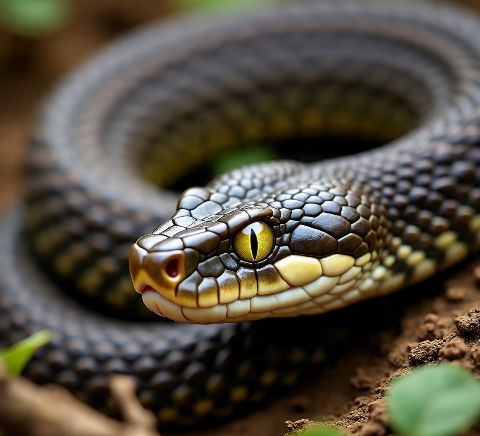
The African black mamba is one of the most venomous snakes in the world.
The African black mamba is one of the most venomous snakes in the world, known for its agility, aggressive behavior, and potent neurotoxic venom. Found in the savannas and rocky hills of southern and eastern Africa, this snake is a formidable predator that demands respect and caution.
Understanding the Venom
The black mamba’s venom is a complex mixture of neurotoxins and cardiotoxins that can cause severe symptoms and even death. The venom works by blocking nerve impulses, leading to paralysis, respiratory failure, and cardiovascular collapse. If left untreated, a black mamba bite can be fatal within 7 to 15 hours.
Symptoms of a Black Mamba Bite
- Metallic taste in the mouth
- Drooping eyelids
- Constricted pupils
- Blurred vision
- Tingling sensation
- Slurred speech
- Shortness of breath
- Respiratory paralysis
Treatment and Survival
Prompt medical attention is crucial in treating a black mamba bite. The administration of antivenom is the most effective treatment, and it should be done as soon as possible. In severe cases, supportive care such as cardiopulmonary resuscitation (CPR) and extracorporeal membrane oxygenation (ECMO) may be necessary.
Prevention and Safety
To avoid encounters with black mambas, it’s essential to exercise caution when walking in areas where they are known to exist. Wearing protective clothing, staying on marked trails, and avoiding tall grass and rocky outcrops can help minimize the risk of a bite.
Interesting Facts
- Black mambas are known for their speed, reaching up to 12.5 miles per hour, making them one of the fastest snakes in the world.
- Despite their deadly reputation, black mambas are generally shy and will avoid humans if possible.
- Black mambas are apex predators in their environment, with mongooses, honey badgers, and birds of prey being their main predators.
The African black mamba is a formidable and deadly snake that demands respect and caution. Understanding its behavior, venom, and symptoms can help prevent encounters and ensure prompt treatment in case of a bite. With proper medical attention and care, survival rates can be significantly improved.
About the Author