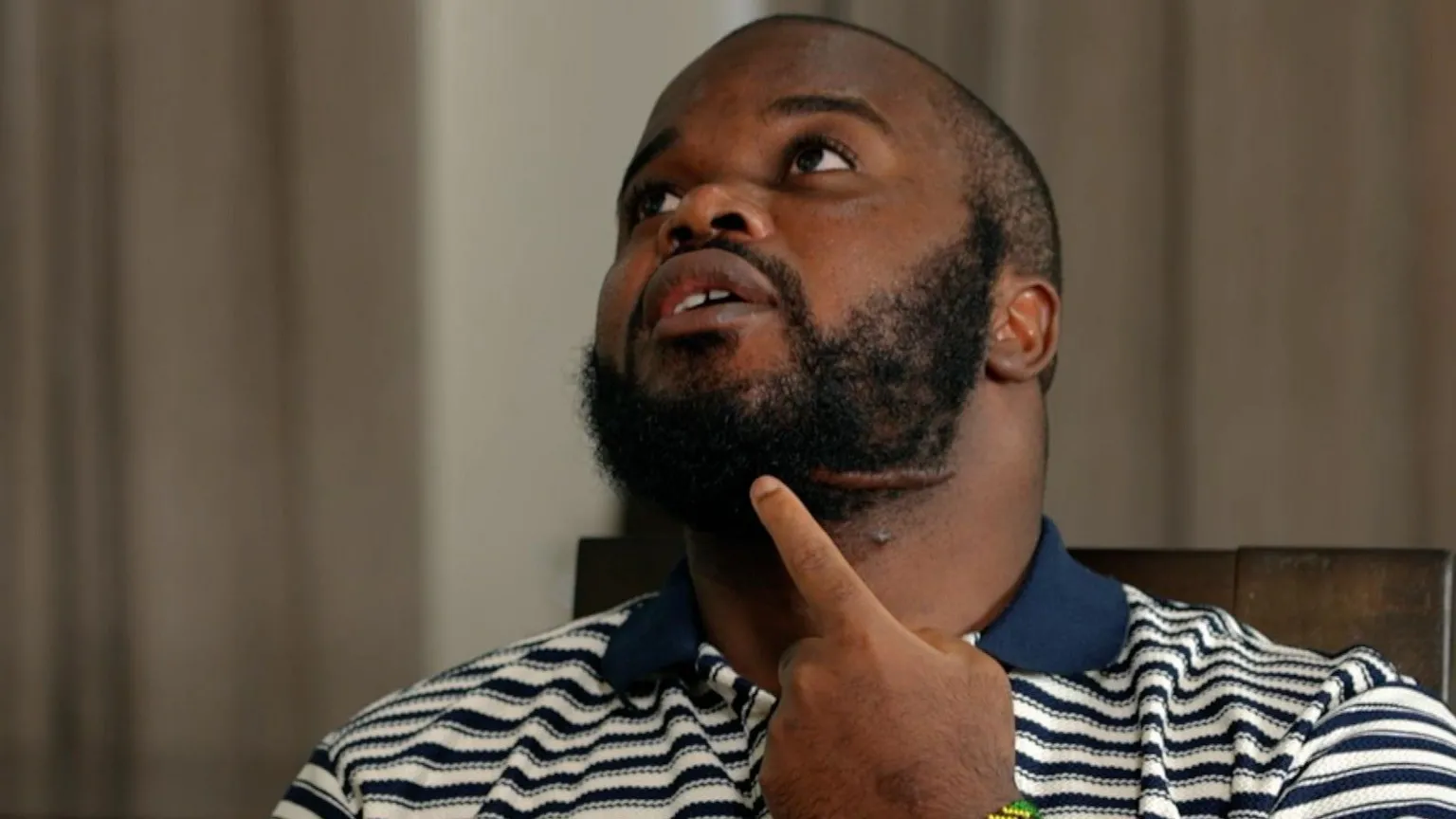
Tanzanian activist Edgar Mwakabela, known as Sativa. Image: BBC News.
(The Post News)– Tanzanian activist and social media campaigner Edgar Mwakabela, widely known by his online name Sativa, says he narrowly escaped death after unknown assailants kidnapped, tortured, and attempted to kill him. His chilling account raises fresh concerns about political violence ahead of the country’s upcoming general elections.
Brutal Abduction and Interrogation
Sativa told the BBC that armed men seized him on June 23 last year while he traveled along a busy roadway in Dar es Salaam, Tanzania’s largest city. The attackers forced him into a vehicle, bound his hands, blindfolded him, and launched into a brutal interrogation.
“They wanted to know who funded my activism and why I criticized the ruling Chama Cha Mapinduzi (CCM) party,” Sativa explained. “They beat me relentlessly, hitting my head, back, and legs with the flat side of a machete. The pain was unbearable.”
Over the following days, his captors drove him across the country. He recalls a grueling journey of more than 1,000 kilometers, ending in the remote Katavi region near Tanzania’s western border with the Democratic Republic of Congo.
Sativa suspects the men who abducted him were police officers or government-linked agents. He bases that belief on their manner of questioning and the organized way they handled his transport. “They acted like professionals, not random criminals,” he said.
The government has repeatedly denied involvement in the harassment or abduction of activists. Officials insist the state does not target critics. But Sativa’s story, combined with other recent reports, deepens fears about shrinking political freedoms.
Left for Dead in the Wilderness
In Katavi, the abuse escalated. According to Sativa, his captors dragged him toward a river inside Katavi National Park, an area teeming with crocodiles, hippos, and other dangerous wildlife. “They clearly wanted me dead,” he recalled. “I knew that if they threw me in, the animals would finish the job.”
Then, he heard a chilling command from a vehicle parked nearby: “Shoot him!” Moments later, a gunshot rang out. The bullet tore into his skull and shattered his jaw. He collapsed, bleeding heavily, and believed death had arrived.
But instead of ensuring he had died, the kidnappers abandoned him. “They left me in the bush to perish,” he said. “I lay there in agony, drifting in and out of consciousness, unsure if I would survive.”
Through extraordinary luck and sheer resilience, Sativa managed to cling to life. He has since undergone extensive medical treatment and still bears the physical and emotional scars of the ordeal.
Rising Intimidation Ahead of Elections
His account comes at a tense moment for Tanzania. As the October general elections draw closer, reports of kidnappings and attacks on opposition supporters and activists have multiplied. Human rights groups warn that intimidation tactics risk silencing dissent and undermining democratic participation.
Analysts note that the ruling CCM has maintained power since 1977, often facing criticism for its heavy-handed approach to political competition. Sativa, who built a following online by posting sharp critiques of the government, says he became a target precisely because he encouraged ordinary citizens to speak out.
“I told people to demand accountability,” he said. “That frightened those in power. They wanted to silence me forever.” Despite the trauma, Sativa vows not to retreat from activism. He believes his survival carries meaning beyond personal endurance. “They tried to kill me, but I am still here,” he said. “I will continue to speak for those who cannot.”
Rights advocates call on Tanzanian authorities to investigate Sativa’s case and others like it. They argue that impunity for political violence erodes trust in institutions and threatens the country’s stability.
For now, Sativa lives with the memories of his near-death experience—the blindfold, the beatings, and the sound of the gunshot that should have ended his life. “Every day I remember,” he admits. “But every day I also remember that I survived.”
As election day approaches, his survival story stands as both a warning and a rallying cry for those who believe in freedom of expression.
About the Author