President Donald Trump and Turkish President Recep Tayyip Erdogan are set to meet at the White House to discuss defence deals, trade and the Gaza conflict. Image: DW.
(The Post News) – U.S. President Donald Trump is set to host Turkish President Recep Tayyip Erdogan at the White House on Thursday, in a meeting that aims to boost bilateral relations through defense, trade, and regional diplomacy.
At the center of the negotiations are high-level military cooperation agreements, like Ankara’s offer to buy new F-16 fighter jets, the upgrade of its existing fleet, and its desire to become a member of the F-35 program again. Turkey was removed from the F-35 program back in 2019 after it bought Russia’s S-400 missile defense system, which Washington said could risk exposing NATO secrets in Russian hands.
However, Erdogan said that Turkey still cannot do without the F-35 partnership. Turkish officials say Ankara has already invested $1.4 billion in the planes. Trump, who has publicly hinted at a solution, last week tweeted that he searched for “a continuation of the F-35 talks, which we expect to conclude positively.”
Sanctions and Political Obstacles
The strongest threat is in US sanctions under the Countering America’s Adversaries Through Sanctions Act (CAATSA), which penalizes countries with enormous arms sales to Russia. Congressional action will be required to restore its F-35 position unless Turkey agrees to close down or send back the S-400 system, a tall order because of bipartisan skepticism towards Erdogan.
“Unless there is a proper compromise over the fate of the S-400, it would be extremely difficult, if not impossible, for Turkey to come back to the F-35,” a former Turkish delegate to NATO, Mehmet Ceylan, told The National. In Congress too, Erdogan faces resistance from lawmakers critical of his autocratic rule and showdowns between Ankara and Greece and Cyprus and with Russia over its defense purchases.
Despite strained relations, Erdogan has tried to start anew with goodwill gestures. On Monday, Turkey lifted tariffs on several U.S. imports, showing readiness to boost trade following decades of animosity. Turkish officials also hope to negotiate industrial cooperation bilaterally more deeply, involving Turkish firms in the next generation of American aircraft manufacture.
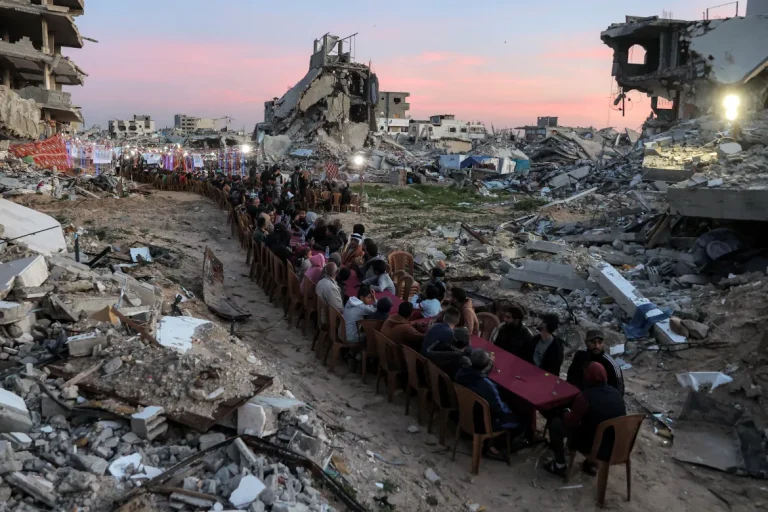
Other than defense, regional issues will considerably overshadow the negotiations. Erdogan will most likely urge Trump to push harder for a Gaza truce and expand American humanitarian aid to the Palestinians. Earlier this week at the United Nations General Assembly, Erdogan accused Israel of genocide in Gaza and declared, “Anyone who doesn’t condemn the barbarity in Gaza bears responsibility for this atrocity.” It’s a sign of Ankara’s more vocal role in Middle East diplomacy.
The two leaders will also address long-standing tensions over Syria, including Washington’s ties to Kurdish militias that Turkey deems terrorist groups. Trump and Erdogan both back the transitional government of Syria led by President Ahmad al-Sharaa, which has synchronized their regional strategies since last December’s downfall of Bashar al-Assad.
A Strategic Diplomatic Reset
This week’s visit will be Erdogan’s first visit to the White House since 2019. Under the leadership of President Joe Biden, Washington maintained Ankara at arm’s length during his tenure due to human rights concerns and its Moscow connections. Trump, however, considers Erdogan a realist ally and critical mediator in attempting to repair the wars in Gaza and Ukraine.
Timur Soylemez, who is a former Turkish diplomat, indicated that the meeting could open up developments: “A green light for a Turkish F-35 purchase is not impossible, provided that political will exists on both sides and diplomats are allowed to negotiate a framework agreement.”
For Erdogan, the visit presents an opportunity to use his good relationship with Trump to negotiate the sale of weapons and boost trade. For Trump, it is an opportunity to demonstrate deal-making and project American power at a tenuous period in the Middle East and Europe.
About the Author