IMG 20240528 WA0002
#South-African-election-update-2024
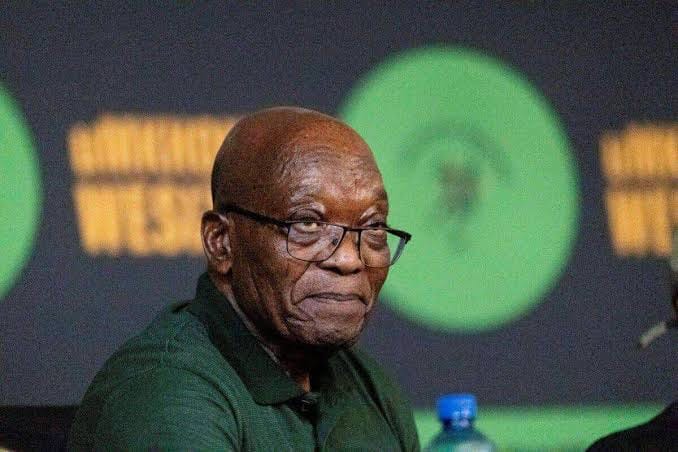
Picture courtesy: (Gallo/Fani Mahuntsi) eNCA declines broadcasting Jacob Zuma’s interviews mere days before election day.
(The Post News)- South African broadcasters eNCA and SABC have found themselves at the centre of a controversy involving former President Jacob Zuma.
Accusations of censorship have been levied against both organisations, with claims that an interview with Zuma was deliberately withheld from the public eye.
The allegations come at a critical time, just days before the general elections, raising questions about media freedom and electoral fairness.
eNCA has categorically denied the accusations of censoring the interview in a public statement, citing adherence to election rules as the primary reason for not airing the segment.
“The interview could not be broadcast on Monday night as it was so close to the election. For this reason, all current affairs programmes, including Power to the Truth, have been cancelled this week.”
The interview in question, conducted with Zuma, who now leads the MK party, was scheduled to be broadcast on the show ‘Power to the Truth with JJ Tabane’.
However, it was pulled from the lineup, sparking a backlash from Zuma’s party, which accused the broadcaster of persecution.
SABC also faced similar allegations from Zuma, who claimed that the public broadcaster had banned his interview conducted on May 22 in Durban.
The SABC has since responded, dismissing the claims as unfounded. The SABC’s team was allocated less than 10 minutes for coverage and instructed not to pose any questions.
Moshoeshoe Monare, Group Executive of News and Current Affairs at the SABC, firmly defended the corporation’s editorial independence.
“The SABC always exercises absolute independence and impartiality in all its editorial decisions and will not at any point suppress anyone’s views,” Monare asserted.
He further explained that editorial decisions hinge on newsworthiness, and while the SABC is committed to covering all stories, the final broadcast decisions rest with the editors.
Both broadcasters have cited their regulatory obligations and commitment to impartiality as the reasons behind their actions. They have reiterated their dedication to upholding journalistic standards and ensuring fair representation of all political parties.
These developments have ignited a debate on media freedom and the role of broadcasters in providing balanced coverage, particularly during election periods.
As South Africa gears up for a pivotal election, the integrity of its media institutions and their adherence to democratic principles continue to be of paramount importance.
About the Author