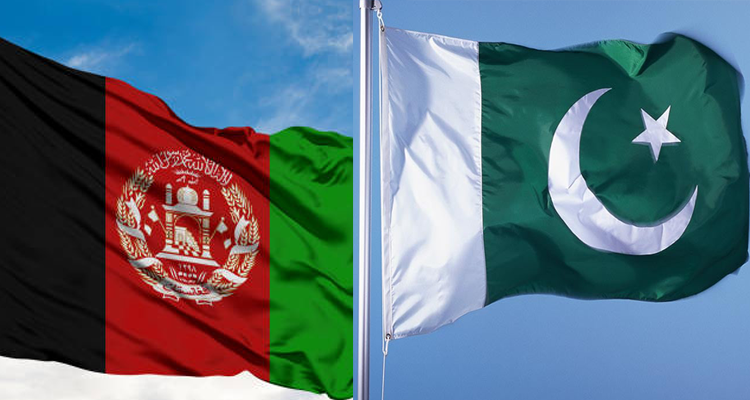
Afghanistan and Pakistan delegations meet in Doha for peace talks following a deadly week of border fighting and airstrikes. Image: Jharkhand Mirror.
(The Post News)-The Pakistani and Afghan delegations meet in Doha on Saturday to initiate negotiations after a week of deadly border clashes that killed dozens and wounded scores. Both sides extended the ceasefire to allow talks to proceed.
Afghan government spokesperson Zabihullah Mujahid confirmed the talks and stated Defence Minister Mullah Muhammad Yaqoob led the Kabul delegation. “As promised, negotiations with the Pakistani side will continue today in Doha,” Mujahid stated.
A Pakistani delegation had crossed over to Doha on Friday, with other senior officials like Defence Minister Khawaja Asif and intelligence chief General Asim Malik later following, state media reported. Pakistan’s defense and foreign ministries remained silent about their presence.
Airstrikes Break Ceasefire
Hours after extending the ceasefire, Afghan officials blamed Pakistan for violating the agreement with airstrikes in Paktika province. The airstrikes killed a total of ten civilians and wounded twelve others, two of whom were children, according to hospital sources.
The Afghanistan Cricket Board (ACB) confirmed that three players from the local team were killed in the airstrikes. The attack being “cowardly,” ACB announced the withdrawal of Afghanistan from next month’s Tri-Nation T20I Series against Pakistan.
Pakistani security officers told AFP that their forces carried out “precision aerial raids” on the Hafiz Gul Bahadur Group, one of the groups linked with the Tehreek-e-Taliban Pakistan (TTP). The group is accused by Islamabad of a recent suicide bombing attack that claimed the lives of seven soldiers and injured thirteen in the frontier region.
Pakistan’s army chief, Field Marshal Asim Munir, reiterated that the Afghan government must “rein in the proxies” using Afghan territory to stage cross-border raids into Pakistan. Kabul refuses to accept the allegations, stating it does not harbor armed elements targeting Pakistan.
Tensions Along the Frontier
The clashes worsened over the weekend as explosions rocked Kabul on the same day that a Taliban foreign minister visited India, Pakistan’s longtime foe. The two nations traded accusations as fighting intensified along the 2,600-kilometer border.
The United Nations Assistance Mission in Afghanistan (UNAMA) reported at least 37 deaths and over 425 Afghans injured prior to the ceasefire’s implementation. Residents in border cities such as Spin Boldak described bittersweet feelings, fear of fresh conflict, and a fragile sense of normality.
Both sides extended the ceasefire at the Doha talks as they sought to ease tensions. The Afghan government promised that its forces had been told not to fire except in self-defense against an attack, but Pakistan reserved the right to defend its frontier. Doha officials try to bring the violence between the two neighbors to its lowest point since the Taliban came into power in 2021, despite mutual distrust.
About the Author