Fourteen defendants including Assad loyalists and government soldiers face charges from sedition and premeditated murder. Image credit: Houston Chronicle
(The Post News) – The first trial against suspects began Tuesday in Aleppo. They are connected to the March massacres in Syria’s Alawite coastal region. This marks a major test for the country’s new leadership.
Fourteen defendants appeared at Aleppo’s Palace of Justice after months of investigations. There were seven Assad loyalists and seven members of the new government’s security forces among them. “The court is sovereign and independent,” Judge Zakaria Bakkar opened the session by saying.
Violence of Sectarian Violence in March
Violence in March exploded after armed groups loyal to ousted president Bashar al-Assad ambushed government security forces. Government reinforcements then swept into the coastal region and the conflict quickly turned into sectarian revenge killings. The National Commission of Inquiry reported at least 1,426 deaths, most of them civilians.
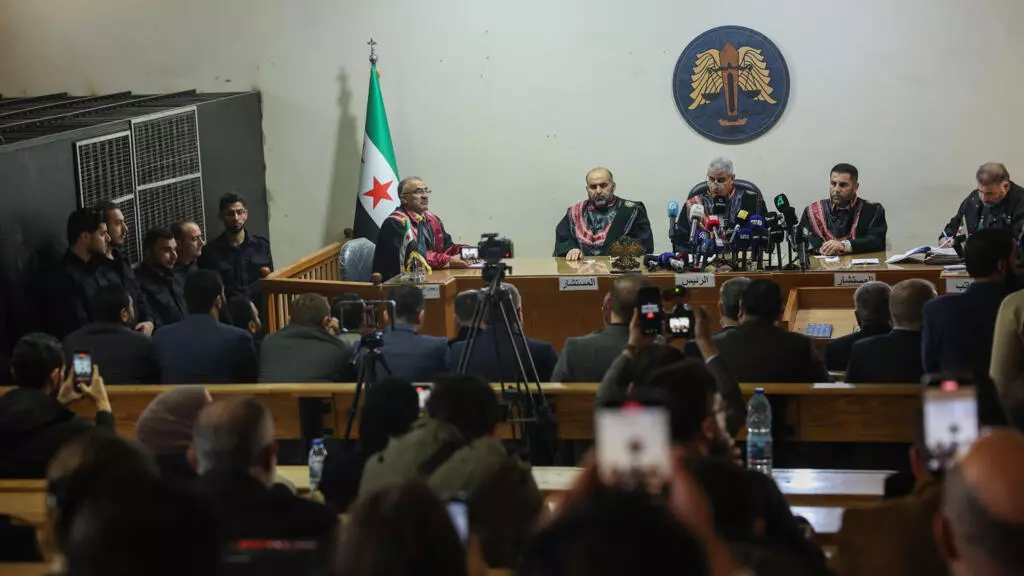
Prosecutors charged Assad loyalists with sedition, inciting civil war, murder, looting and attacks on law enforcement. Members of government forces were charged with premeditated murder. Investigators identified 298 suspects and referred more than 560 people to the judiciary.
The court watched on Thursday the videotapes that allegedly show the government soldier executing the detainee. The defendant insisted that the footage was fabricated, but Judge Bakkar contradicted him, saying the video clearly showed his involvement in the murder.
The families of several defendants gathered outside the courthouse. Ayman Bakkour said that officials detained his son for seven months. His son was serving in the 82nd Division. The detention occurred after he filmed clashes that went viral later. “He’s now being prosecuted,” Bakkour said.
Judge Bakkar then adjourned the hearing. The next session is scheduled for December 18 for Assad-loyalists. Another session is on December 25 for government-force defendants.
Interim President Ahmad al-Sharaa faces growing pressure at home and abroad to strengthen the rule of law. Since coming to power in December, he has tried to end Syria’s diplomatic isolation and push the U.S. to ease sanctions crippling the country’s recovery.
International Response and Implications
Though the National Commission of Inquiry of Syria reported no evidence of orders by new military leaders for attacks on Alawite civilians, a United Nations investigation described the violence by government-aligned fighters as “widespread and systematic.” The UN documented raids in Alawite-majority areas where men and boys were separated, taken away, and executed.
Hundreds of suspects are waiting for trial. The judicial makeover in Syria will profoundly affect the credibility of the country’s new leadership. It will also influence its promise to deliver justice after years of conflict.
About the Author