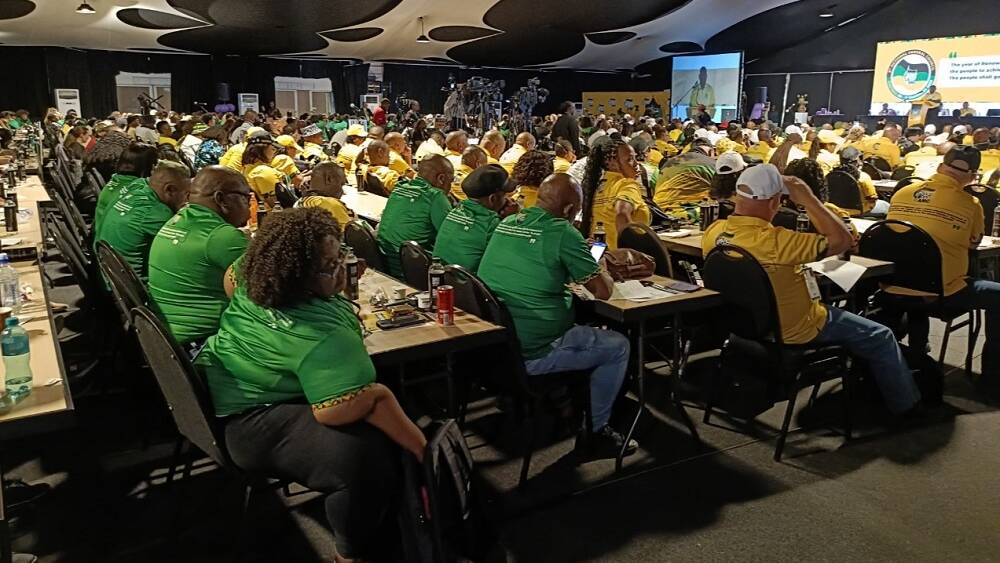
The South African Communist Party (SACP) has decided to contest next year's local government elections independently, marking a significant shift in the country's political landscape.
The African National Congress (ANC) is reviewing the South African Communist Party’s (SACP) dual membership amid tensions over the SACP’s decision to contest next year’s local government elections independently. This marks a significant shift in the country’s political landscape, with the SACP seeking to assert its independence and promote a more radical economic agenda.
The SACP’s decision is seen as a blow to the ANC, which has traditionally relied on its alliance partners for support. The ANC’s support is reportedly uneven across provinces, with dominant backing in some regions but stagnation and decline in others, particularly urban metros.
A Need For Decisive Actions
ANC Secretary-General Fikile Mbalula warned that without decisive interventions, the ANC could lose ground to opposition parties and new movements. The SACP’s move is also seen as a bid to assert its independence and promote a more radical economic agenda, prioritizing the needs of the working class and the poor.
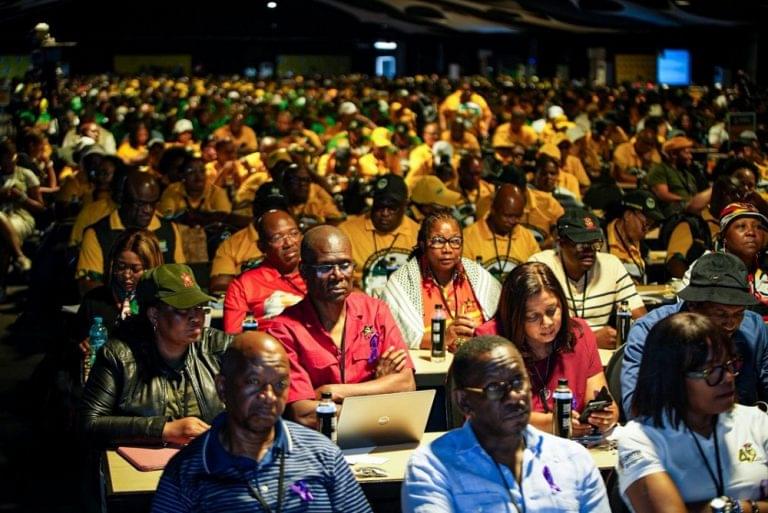
The Electoral Commission has announced by-elections in various municipalities, including Makhado, Johannesburg, and uPhongolo, with candidates from multiple parties contesting seats. This comes as the SACP and ANC engage in talks over the SACP’s decision to contest elections independently.
The SACP’s decision has sparked concerns about the future of the Tripartite Alliance, which includes the ANC, SACP, and Congress of South African Trade Unions (COSATU). The alliance has been a cornerstone of South African politics since the end of apartheid.
ANC President Cyril Ramaphosa has urged party members to prevent disintegration and eradicate factionalism within the party. The SACP’s decision is seen as a challenge to the ANC’s dominance and a test of its ability to adapt to changing political dynamics.
The SACP’s move is also seen as a reflection of growing discontent within the party over the ANC’s economic policies and handling of key issues like land redistribution and mineral wealth sharing. The SACP has long been critical of the ANC’s economic stance, arguing that it prioritizes the interests of the powerful elite over those of the working class.
The outcome of the elections is far from certain, and will depend on a range of factors, including the ANC’s ability to address its internal divisions and reconnect with its grassroots supporters. The SACP’s decision to contest elections independently is likely to inject new energy and competition into the electoral landscape.
The SACP’s decision has also raised questions about the party’s future and its ability to navigate complex alliance politics. The party must balance its desire for independence with the need to maintain relationships with other parties and stakeholders.
As the country gears up for next year’s local government elections, the SACP’s move is likely to have significant implications for South African politics and the future of the Tripartite Alliance.
About the Author