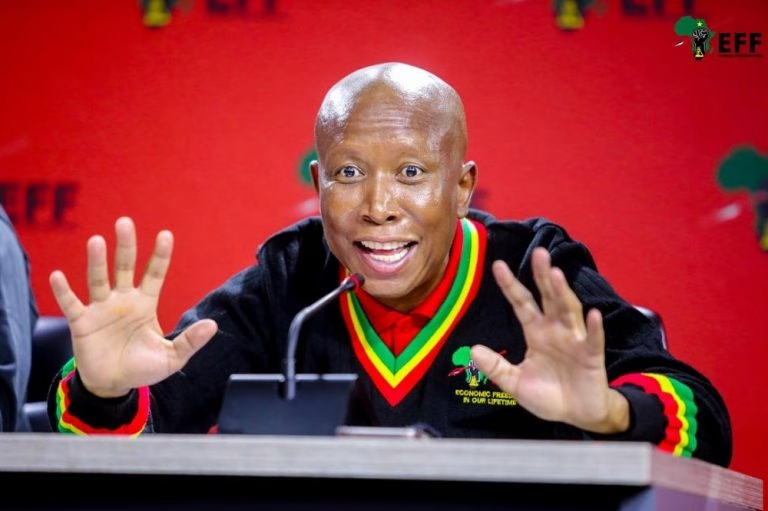
Julius Malema's EFF party to collaborate with SACP, citing ideological alignment, as SACP contests 2026 elections independently. Image x@EffSouthAfrica
Economic Freedom Fighters (EFF) leader Julius Malema has announced that the party will continue engaging the South African Communist Party (SACP) informally ahead of the 2026 local government elections. This comes as the SACP has confirmed it will contest next year’s elections independently from the ANC, its alliance partner, citing disagreements over the Government of National Unity (GNU) and alliance reconfiguration.
EFF To Engage The SACP
Malema stated that while the SACP lacks mobilization capacity, the EFF will engage with them due to ideological alignment. He described the SACP as “theoreticians” who don’t engage in grassroots mobilization, citing Joel Netshitenzhe as an example.
The SACP’s decision to contest elections independently marks a significant shift in South African politics, potentially fragmenting the governing party’s vote share in 2026. The party has been critical of the ANC’s economic policies, governance, and handling of corruption scandals.
Malema also announced the EFF’s support for the motion of no confidence against KwaZulu-Natal Premier Thami Ntuli, brought by the uMkhonto weSizwe Party (MKP). He emphasized that this support doesn’t imply endorsement of the MKP, but rather opposition to neoliberal forces forming a government against KZN’s wishes.
The EFF and SACP’s engagement is significant, given their shared ideological leanings. The SACP has registered to contest the 2026 elections, and its general secretary, Solly Mapaila, has stated that the party will push for socialist transformation and working-class unity.
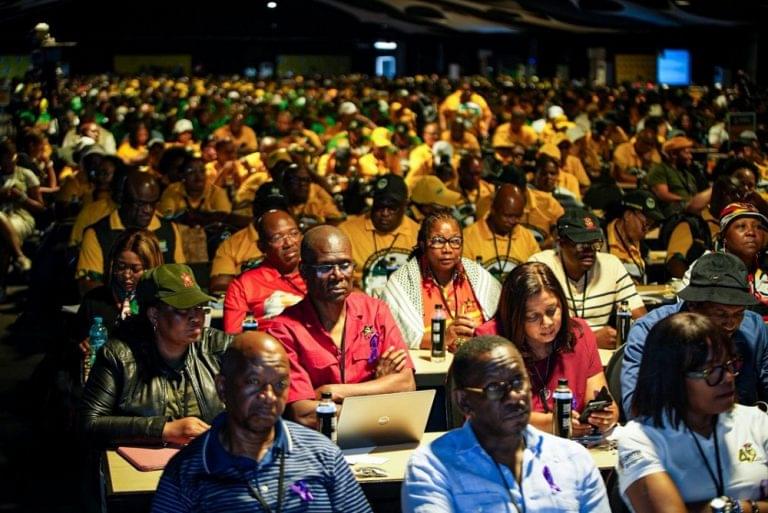
SACP Insists Of Maintaining Dual Membership
The ANC has given the SACP an ultimatum: reverse its decision to contest elections independently or face potential removal of dual membership. The SACP, however, insists on maintaining dual membership.
The 2026 local government elections are shaping up to be a crucial test for South African politics, with the SACP’s independent bid potentially altering the landscape. The EFF’s engagement with the SACP reflects the party’s strategic positioning ahead of the elections.
The SACP’s decision to contest elections independently has sparked debate about the future of the tripartite alliance. The party’s general secretary, Solly Mapaila, has emphasized the need for socialist transformation and working-class unity.
EFF Support Motion Of No Confidence Against Thami Ntuli
The motion of no confidence against Thami Ntuli is set to be heard on Monday, with the EFF’s support potentially influencing the outcome. The EFF’s stance reflects its opposition to neoliberal forces and commitment to representing KZN’s interests.
The SACP’s independent bid has already been tested in a by-election, where it secured around 1% of the vote. The party’s performance in 2026 remains uncertain, but its decision to contest elections independently marks a significant shift in South African politics.
The EFF’s engagement with the SACP is part of its broader strategy to build alliances and position itself for the 2026 elections. The party’s leader, Julius Malema, has emphasized the need for ideological alignment and grassroots mobilization.
The SACP’s decision to contest elections independently has implications for the ANC’s electoral prospects. The party’s supporting has been declining, and the SACP’s independent bid may further fragment its vote share.
About the Author