The South African National Defence Force (SANDF) has confirmed it will host a joint naval exercise, Exercise Mosi III, from January 9 to 16, 2026. This exercise will involve naval forces from Russia, China, and Iran, making it a significant multilateral military cooperation event.
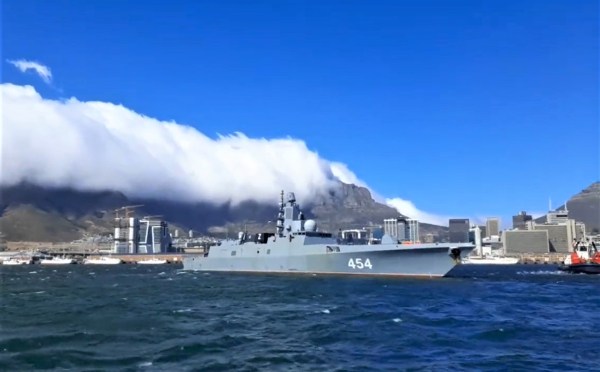
The exercise was initially scheduled for November 2025 but was postponed to avoid clashing with South Africa’s G20 hosting duties. The SANDF has assured that the exercise will focus on maritime security, anti-piracy operations, and search and rescue missions, aiming to enhance joint communications and operational coordination at sea.
Joint Naval Exercise Mosi III
Exercise Mosi III is part of the BRICS nations’ efforts to strengthen military ties and improve regional maritime security. The participating countries, including South Africa, Russia, China, and Iran, are looking to boost their ability to protect trade routes and respond to emergencies.
The exercise has sparked controversy, with opposition parties criticizing the government’s decision to host sanctioned states like Iran and Russia. The Democratic Alliance (DA) argues that this move undermines South Africa’s non-alignment policy and strains relations with Western countries.
Despite the criticism, the SANDF maintains that the exercise is a practical rehearsal of maritime security operations and not a political statement. Navy officials have assured that coordination efforts will aim to minimize disruption to commercial maritime traffic and protect coastal communities.
The exercise will involve ships and personnel from the participating countries, with Iranian naval units already attending preparatory briefings in Cape Town. The SANDF has emphasized its commitment to multilateral military cooperation and strengthening regional maritime security.
The DA has vowed to demand full transparency on all military exercises involving sanctioned states and push for urgent parliamentary oversight of the SANDF’s international engagements. The party’s spokesperson, Chris Hattingh, argues that hosting military forces from sanctioned states sends a clear political signal.
Hattingh also expressed concern over Iran’s participation, citing recent statements from Iran’s president describing the country as being in a state of war with Western powers. He believes this move will further strain South Africa’s relations with the US and other democratic countries.
The exercise is expected to improve joint communications and operations at sea among the participating nations. It will also provide an opportunity for the SANDF to enhance its capabilities and strengthen military ties with other BRICS nations.
The SANDF has conducted joint military exercises with various countries, including Brazil, China, France, Germany, Russia, and the US, in recent years. This exercise is part of the country’s efforts to strengthen multilateral and bilateral relations.
The exercise will take place in South African waters, with local stakeholders, including fishermen, port workers, and shipping companies, closely monitoring the event. Navy officials have assured that the exercise will not harm everyday life and may even bring benefits, such as better skills for South African sailors.
The SANDF has emphasized that the exercise is a routine military activity and not a political statement. The department has also stressed that South Africa remains committed to its non-alignment policy and will continue to engage with various countries on defence matters.
The exercise is expected to conclude on January 16, 2026, with participating nations evaluating their joint operations and identifying areas for improvement. The SANDF will provide updates on the exercise’s outcome and its implications for regional maritime security.
About the Author