Airstrikes and rocket attacks mark a major flare-up in hostilities between Israel and Iran-backed Hizbollah.
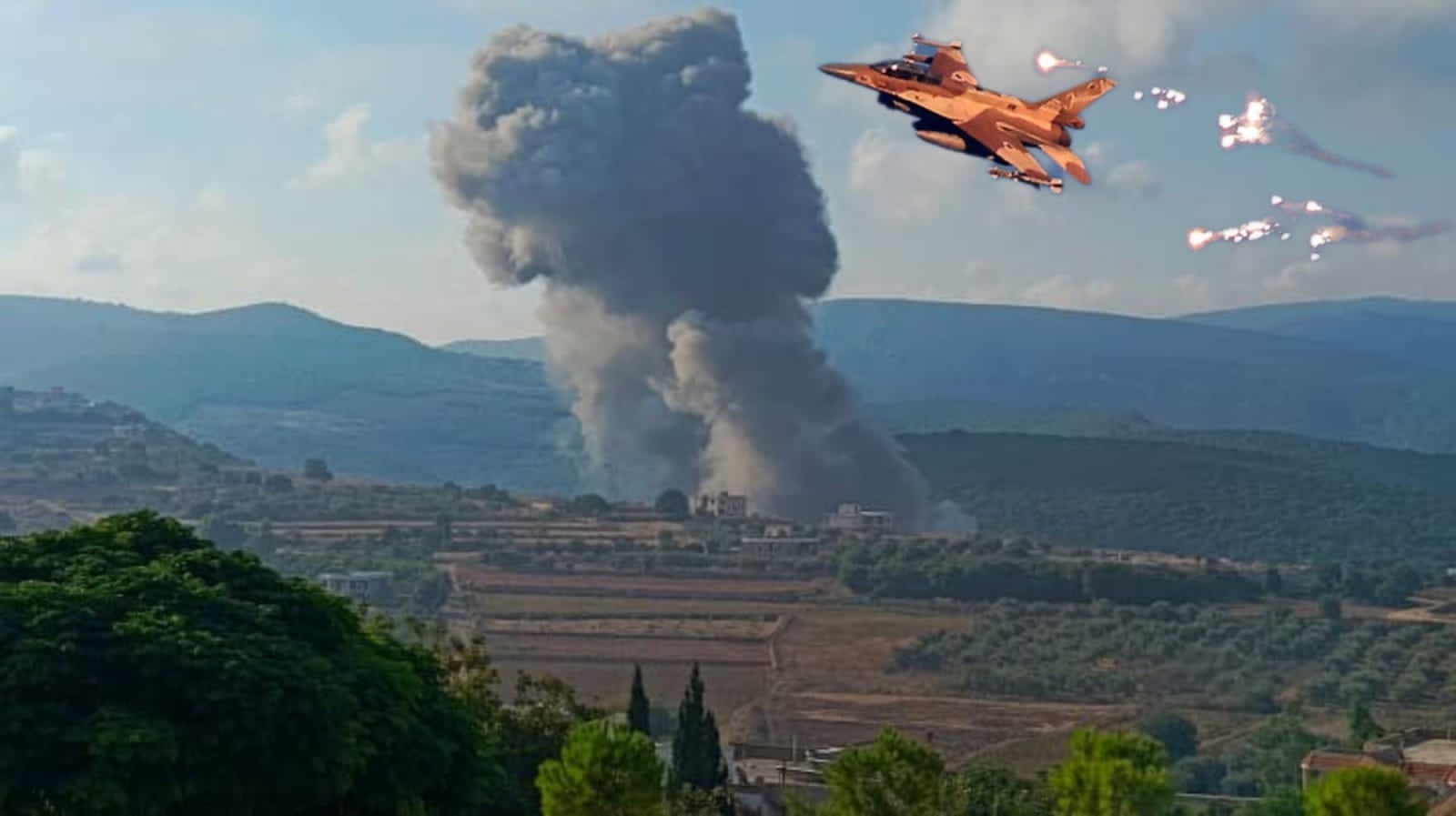
(The Post News)- Israel and Lebanon experienced a major escalation in hostilities on Sunday, with Israel launching a wave of airstrikes against Hizbollah targets in southern Lebanon.
The strikes aimed to thwart a “large-scale attack” by the militant group, according to Israel.
Hizbollah retaliated with over 340 rockets and drones, targeting Israeli military sites.
The exchange of fire was the most intense between Israel and Hizbollah since their 34-day war in 2006.
Hizbollah leader Hassan Nasrallah stated that the attack was over, but its impact would still be assessed.
He added that Lebanese residents who had fled their homes during the attacks could return, as the situation was under control.
Israeli Prime Minister Benjamin Netanyahu said the strike had destroyed thousands of short-range rockets and all the drones launched by Hizbollah.
He warned that this was not the end of the story, implying that further action might be taken.
The attacks occurred as officials gathered in Egypt to continue ceasefire talks aimed at ending the war between Israel and Hamas in Gaza.
The US and Arab states see these talks as crucial in preventing a full-on conflict. US President Joe Biden was closely monitoring the situation, and US Defence Secretary Lloyd Austin spoke with Israeli Defence Minister Yoav Gallant to discuss Israeli actions.
The US has deployed additional warships and fighter aircraft to deter Hizbollah and Iran and support Israel’s defence.
The Israeli Ambassador to the US, Michael Herzog, stated that the increased US military presence had helped deter Iran from attacking Israel.
Hizbollah’s retaliation was delayed due to the mobilisation of Israeli and American military forces.
Nasrallah acknowledged that a response from Iran and its Yemeni Houthi allies was yet to come.
The exchange of fire caused limited damage and casualties on both sides.
About the Author