The infamous human trafficker’s demise sparks tensions in western Libya, as authorities scramble to uncover the truth behind his assassination.
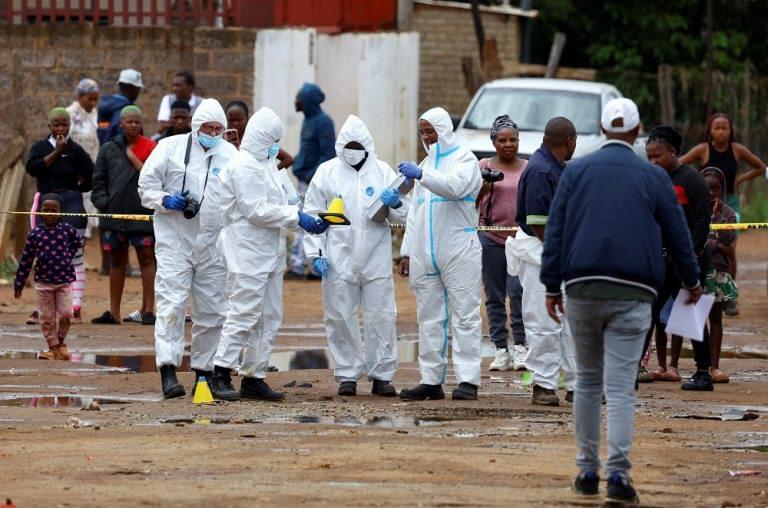
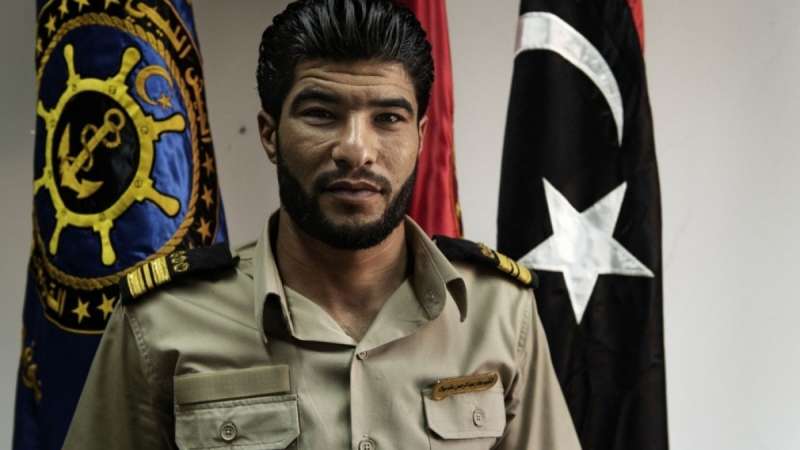
(The Post News)- Abdel-Rahman Milad, Libya’s most wanted human trafficker, was shot and killed in Tripoli on Sunday, sending shockwaves through the country’s criminal underworld. The notorious trafficker, who led a coast guard unit in Zawiya and was sanctioned by the United Nations Security Council, met his demise in a hail of bullets while sitting in his car in the Sayyad area.
The assassination, carried out by unidentified assailants, has sparked ongoing tensions in western Libya, a region already plagued by instability and conflict. Authorities have remained tight-lipped about the circumstances surrounding Milad’s death, leaving many questions unanswered.
As news of his demise spread, a military leader in western Libya, Moammar Dhawi, took to social media to mourn Milad’s passing and call for an investigation into his killing. Dhawi’s post highlighted the need for justice and accountability in a region where the rule of law is often tenuous at best.
Milad’s involvement in human trafficking was well-documented, with a United Nations expert alleging that he and other Coast Guard members were directly involved in the sinking of migrant boats using weapons. Despite these allegations, Milad consistently denied any connections to human smuggling, claiming that traffickers often wore similar attire to his men.
The human trafficker’s death comes at a time when Libya is grappling with the aftermath of the 2011 NATO-backed uprisings that toppled longtime Moammar Gadhafi. The country’s subsequent descent into chaos has created a fertile ground for human trafficking and smuggling, with the oil-rich nation becoming a key transit point for migrants fleeing poverty and war in Africa and the Middle East.
As authorities continue to investigate the circumstances surrounding Milad’s death, many are left wondering what this means for the future of human trafficking in Libya. Will his demise lead to a power vacuum, or will it mark the beginning of a new era in the fight against human trafficking? Only time will tell.
About the Author