Namibia to reduce animal population due to drought. Image: East Coast Radia
(The Post News)- The Namibian environment ministry said government is yet to eliminate more than 700 wildlife in order to cope with its worst drought in decades is under way, with almost 160 animals already killed. The government had announced the elimination in the previous week to relieve pressure on grazing and water supplies, and to provide meat for programmes to support the thousands of people going hungry due to the drought.
This motion has been carried out by professional hunters, targeting 30 hippos, 60 buffalos, 50 impalas, 83 elephants, 100 blue wildebeest, 100 elands and 300 zebras. Some of the animals are in the state’s protected national parks.
Romeo Muyunda, environment ministry spokesman says at least 157 of the 723 animals designated for eliminating have been killed so far and the time it would take to complete the elimination depended on various factors.
Muyunda says their goals is to carry out the operation sustainably while minimising trauma as much as possible, and they must separate the animals to be hunted from those not to be hunted.
Complying with the international ban on the sale of ivory, the tusks from the eliminated elephants stored in government warehouses. In a statement, a ministry says 157 animals comprising of different species were hunted to date, which has delivered 56 875 kilogrammes of meat.
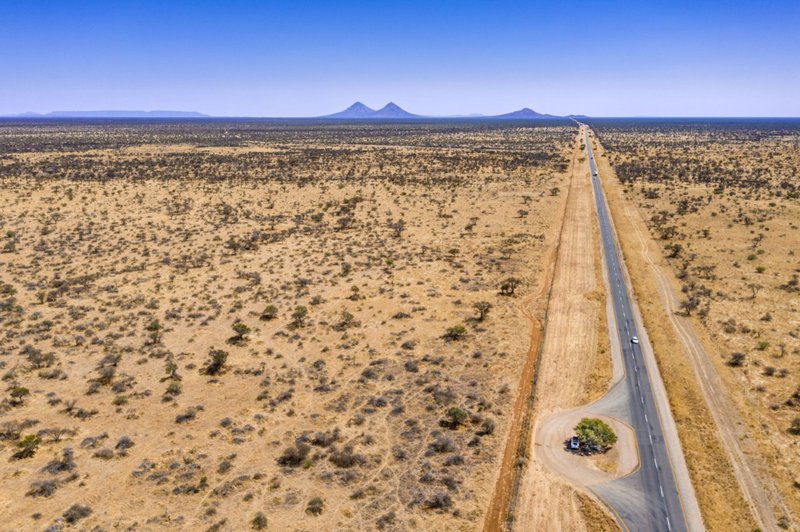
Because of the drought, Namibia had declared a state of emergency in May, which is gripping a swathe of countries across southern Africa. In August, the World Food Programme said about 1.4 million Namibians, which is almost half of the population are already experiencing acute food insecurity, with cereal production dropping by 53% and dam water levels dropping by 70% compared with the previous year.
The wildlife elimination has been criticised by animal rights group PETA as short-sighted, cruel and ineffective. Jason Baker, senior vice president of PETA wrote a letter to Prime Minister Saara Kuugongelwa-Amadhila to urge Namibia to reconsider these actions as it is cruel and has no long-term impact on these issues.
In a joint statement, a group of African conservationists said the mass elimination sets a dangerous precedent of enabling governments to exploit protected wildlife and national parks under the guise of humanitarian needs.
The statement also questioned if there had been environmental impact assessments or game counts and food insecurity evaluations to inform the elimination plan, noting the same scheme comes ahead of November elections in Namibia and claimed the meat is intended to be distributed in areas where the ruling SWAPO party faces strong opposition. The elimination is also expected to generate significant revenue from hunting licences issued to hunters, it also rejects the claims Namibia is overwhelmed
About the Author