Cholera confirmed to be found in the Harts and Vaal Rivers.
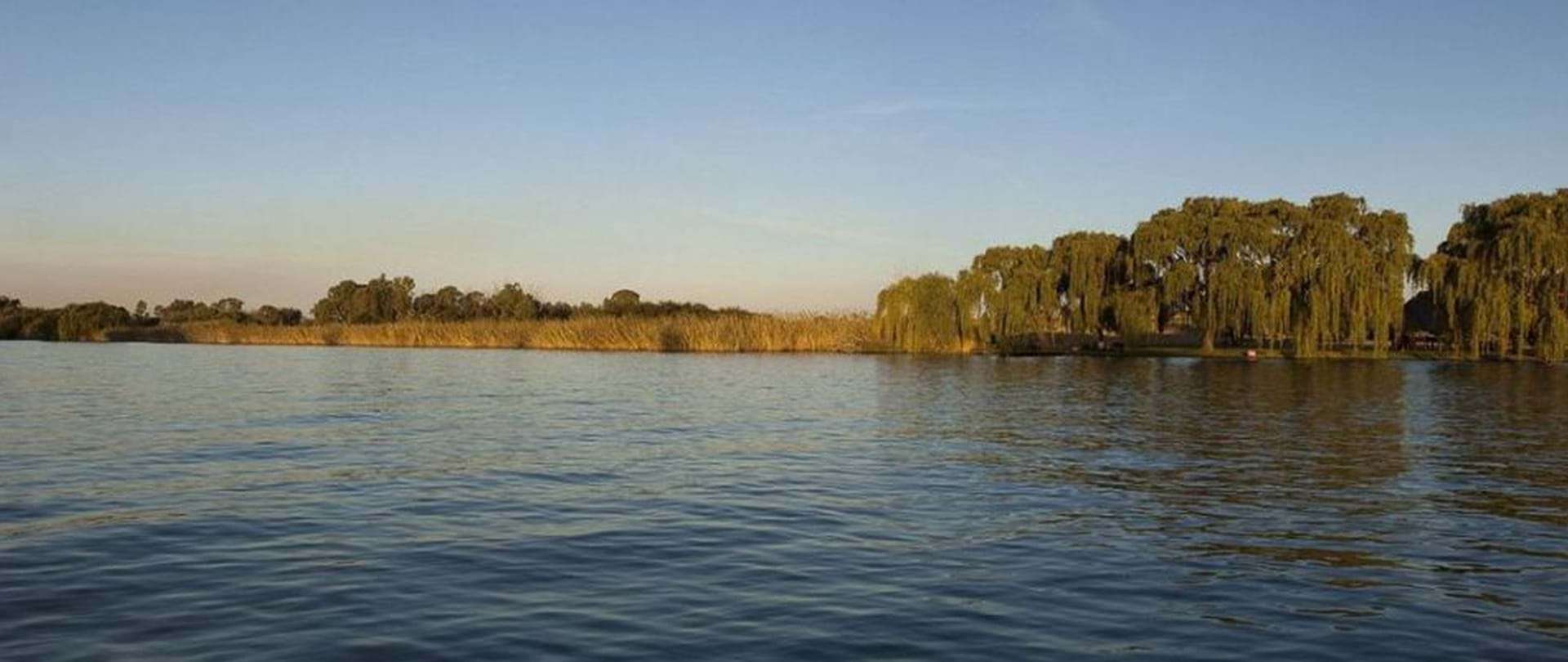
(The Post News)- The Department of Water and Sanitation has given warning to communities and water users along the Harts and Vaal rivers from Christiana downstream to be cautious in using untreated water from rivers. The department said on Wednesday that during raw water sampling in September, water from five sites being, Wentzel Dam, Schweizer Reneke, Christiana, Barkely West Caravan Park, and Douglas Weir has shown the presence of cholera.
The department said communities were advised to not drink or come into contact with the unfiltered water from the rivers, although follow-up sampling on the river is in process and will indicate extent and area of caution. The department further explained the communities under the Dr Ruth Segomotsi Mompati, Francis Baard, and Pixely ka Seme District
Municipalities and the water services authorities in the area have been requested to take extra care in the water treatment process, disinfection and chlorination of the water and said the chlorination of water is effective in safeguarding water from the risk of cholera.
The department said the Naledi. Greater Taung, Leekwa Teemane, Magareng, Dikgatlong Sol Plaatjie, Siyacuma, and Phokwane Municipalities treat water from the rivers ensuring it is safe for consumption. With water being tested to ensure safe drinking water and if the water is not meeting the required standard would not be supplied for drinking and domestic use.
The Vaal River is known as a “workhorse river” as it serves Gauteng, Free State, North West, and Northern Cape provinces with water supplies to different users for domestic, industrial, mine, and agricultural use which contribute to nutrients in the river.
The department claims that all possible pollution sources from the Bloemhof Dam to Douglas are considered, more specifically from the discharge of wastewater treatment works and the required compliance monitoring and enforcement activities will continue to ensure compliance.
The department has reminded the general public that rivers, dams and streams contain untreated water, which is not meant for human consumption.
With the National Institute for Communicable diseases setting out guidelines which should be followed regarding safe drinking water, and municipalities are urged to instruct water users to boil their water for drinking purposes as an extra safety precaution where the results from the laboratory or operational monitoring may indicate a risk.
About the Author