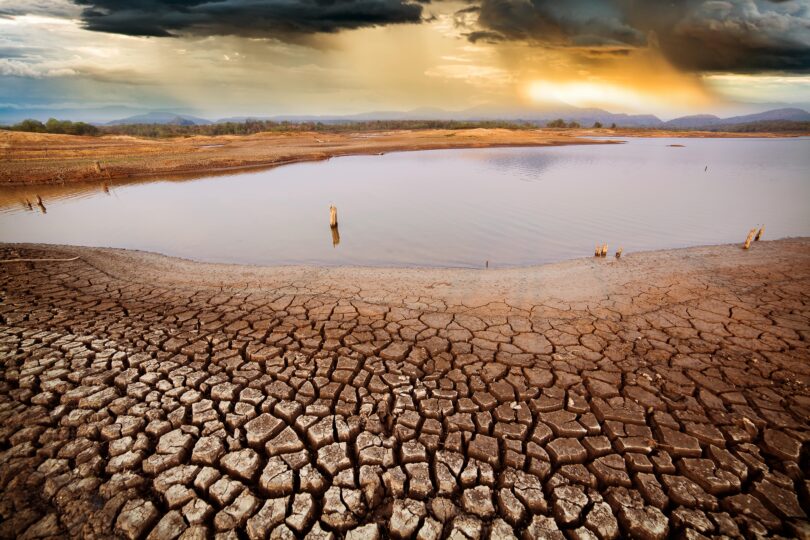
Water scarcity poses threat to food security and economic stability. Image: H20 Global News
(The Post News)- The world is on the cusp of a catastrophic water crisis, imperiling food security, economic stability, and human well-being. Human activities, such as destructive land use and pollution, coupled with climate change, have pushed the planet’s water resources to the brink.
Freshwater scarcity will devastate global food systems, economies, and ecosystems, leading to widespread famine and social unrest. Already, communities worldwide face water shortages, impacting agriculture, industry, and daily life.
Climate change, destructive land use, and poor water management have strained the global water cycle. Rising temperatures and altered precipitation patterns, deforestation and land degradation, pollution and wastewater mismanagement, and inefficient irrigation practices all contribute to the crisis.
The Global Commission on the Economics of Water, chaired by Johan Rockström, Mariana Mazzucato, and Tharman Shanmugaratnam, warns of imminent economic and humanitarian disaster. They urge policymakers to reassess water valuation, addressing misaligned policies and underpricing.
To address the crisis, implementing efficient irrigation systems and promoting water-saving practices will conserve water. Restoring wetlands, forests, and watersheds maintains water cycles. Developing and investing in water-harvesting, recycling, and desalination technologies ensures a sustainable supply.
Fostering international partnerships addresses transboundary water issues. Collective responsibility and urgent measures determine the future. Protecting freshwater resources, supporting climate-resilient infrastructure, and ensuring universal access to clean water demand immediate attention.
About the Author