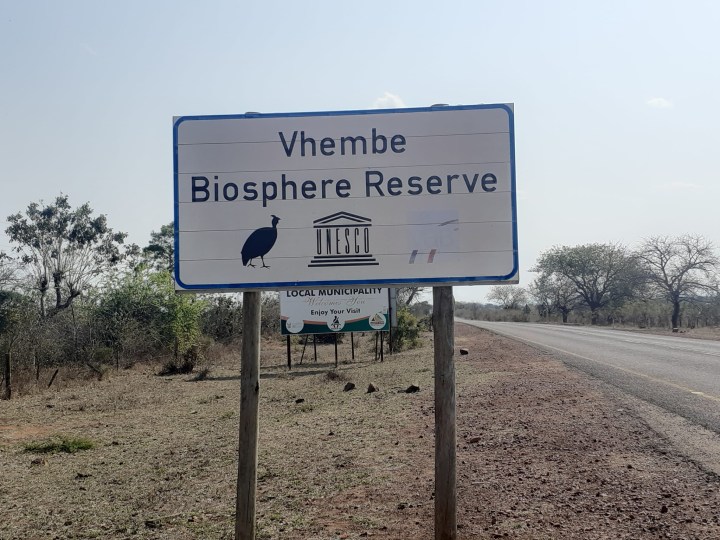
Limpopo residents have been urged to to weigh in on Coal and Steel plans for the Vhembe Region. Image: Daily Maverick.
(The Post News)- Human rights and environmental organizations such as Living Limpopo, All Rise Attorneys for Climate and Environmental Justice, and the Centre for Applied Legal Studies (CALS) have urged Limpopo residents to enroll as stakeholders in the environmental approval procedure for the Musina-Makhado Special Economic Zone (MMSEZ), which intends to construct a mining and ferrochrome smelting plant.
As a bonus, use our exclusive link to get 10% off your first purchase.
With the registration deadline being on the 12th of November 2024, these organizations are stressing how important public involvement is when it comes to deciding on projects that could permanantly alter the Vhembe Biosphere Reserve, which is a UNESCO protected region in Limpopo.
The MMSEZ, being a joint China-South African project covering 60 square kilometers, is intended as a high-impact industrial zone concentrating on coal and steel production. The MMSEZ South Site is situated north of the Southpansberg Mountains, hosting facilities that range from 10 million metric tons per annum of coal washery to a 1 million metric tons per annum ferrochrome smelter with an energy-intensive steel production chain.
Environmental groups have warned of this project posing severe environmental and health risks, especially given its reliance on coal resources in the Greater Southpansberg Coalfield. The procedural irregularities in the Environmental Impact Assessment (EIA) process, which is being facilitated by Gudani Consulting on behalf of Chinese operators EMSEZ/SAEMB and Kinetic Development, have been highlighted by Lauren Liebenberg from Living Limpopo. Liebenberg states that the scale of these projects is being downplayed by fragmenting their approval, and the cumulative impact on the biosphere reserve and local communities requires urgent scrutiny.
On September 13th, Gudani Consulting delivered the EIA scoping study and hosted a public hearing when concerns about a “bundled” EIA methodology, which some regard as a strategy to avoid complete cumulative effect studies, were expressed.
Environmental and legal groups like CALS, along with Living Limpopo, have formerly registered objections to what they describe as procedural short-cuts and are pushing for stronger public representation. Residents and interested parties are urged to make their voices heard by registering as stakeholders before the deadline on November 12th in order to ensure meaningful participation in the decision to approve or deny these projects.
About the Author