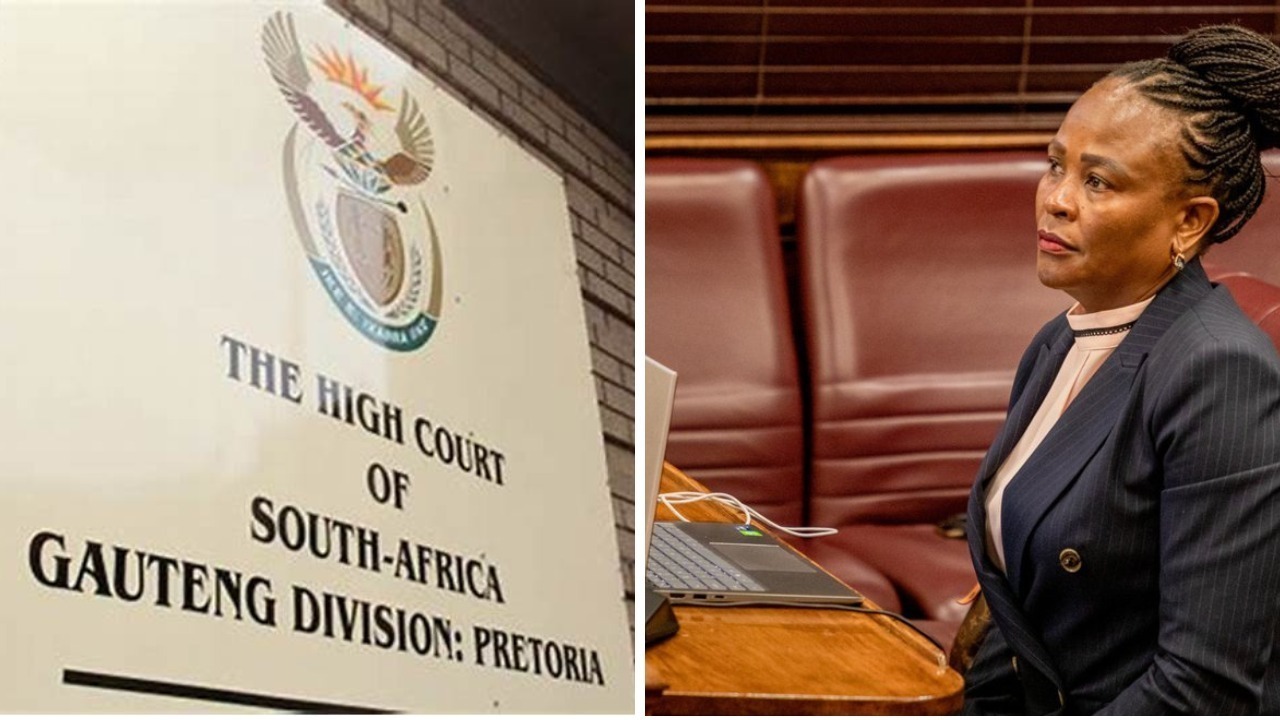
The Gauteng High Court’s Firm Rejection of Mkhwebane’s R10 million Gratuity Claim.
(The Post News)- Impeached former Public Protector, Busisiwe Mkhwebane, suffered another legal setback on Wednesday as the Gauteng High Court in Pretoria dismissed her application for a R10 million gratuity. Judge Omphemetse Mooki delivered the resounding rejection, stating it would be “absurd” for an employer to pay a gratuity to someone who “left office in disgrace.”
Mkhwebane’s application stemmed from her impeachment in September 2023, which resulted in her removal from office before the end of her term. While previous public protectors have received end-of-service gratuities, Mkhwebane’s request was denied by the Office of the Public Protector due to her dismissal for misconduct and incompetence.
Mkhwebane’s legal representative, Advocate Dali Mpofu, argued that the parliamentary inquiry’s findings against her were irrelevant to her entitlement to the gratuity, which he claimed was part of her remuneration package. However, Judge Mooki disagreed, emphasizing that a gratuity is a “token of appreciation” and not an automatic entitlement, especially for someone removed from office under such circumstances. The judge’s words, “It would be absurd for an employer to be expected to pay a gratuity…to an employee who left office in disgrace,” underscored the court’s firm stance on the matter.
During her tenure, Mkhwebane earned an annual salary of R2.3 million, along with various perks associated with her position as head of a Chapter Nine institution. Her impeachment followed a protracted parliamentary process that culminated in 318 MPs voting in favor of her removal, with only 43 opposing the motion. This effectively forfeited her claim to the multimillion-rand gratuity she would have received had she completed her term without incident.
This latest legal defeat adds to Mkhwebane’s mounting challenges. Throughout her time as public protector, she faced numerous legal battles and controversies, with several of her high-profile investigations overturned by the courts. These setbacks, coupled with her impeachment, have significantly tarnished her reputation and legacy.
Mkhwebane’s dismissal from office and the subsequent denial of her gratuity application raise important questions about accountability and the consequences of misconduct for public officials. The court’s decision sends a clear message that even those holding high office are not immune to the repercussions of their actions. It reinforces the principle that public service is a privilege, not a right, and that those who abuse their positions should not expect to be rewarded.
The case also highlights the importance of judicial independence in upholding the rule of law and ensuring accountability. Judge Mooki’s firm stance against Mkhwebane’s claim demonstrates the judiciary’s commitment to upholding ethical standards in public life. The court’s decision serves as a reminder that no one is above the law and that those who violate the public trust will be held accountable.
About the Author