The TikTok Ban Heads to the Supreme Court Today. Here’s What to Know. Image credit: The Post News/ Nsuku Khosa
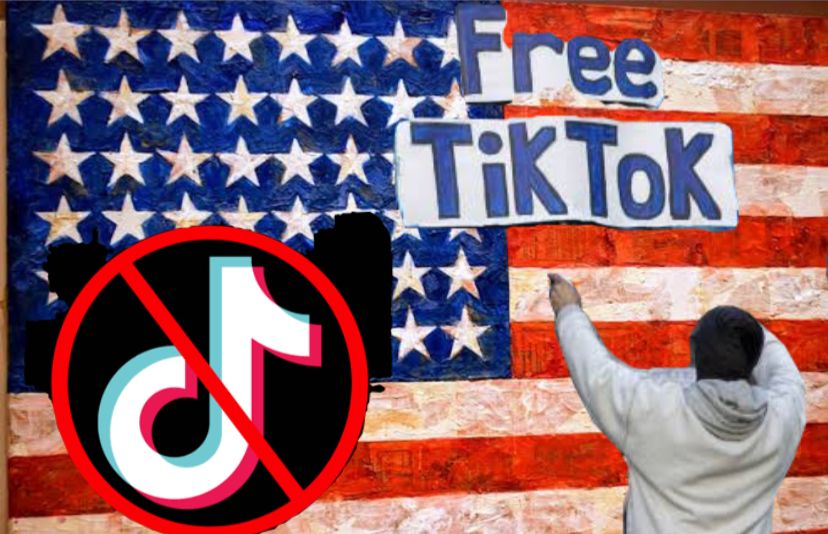
(The Post News)- TikTok is battling the US government in the Supreme Court today in a high-stakes case against a federal legislation that would force the well-known video-sharing website to shut down. The company and a group of creators are requesting that the Supreme Court prohibit the bill, arguing that it is a clear infringement of free expression rights.
The issue at hand is a bipartisan law approved in April that forces TikTok to cut links with its Chinese parent company, ByteDance, or face a ban in the United States. Proponents of the measure argue that TikTok poses a national security danger because the Chinese government may use the app to sway public opinion or access American data.
However, TikTok and its creators counter that the law is an unprecedented attack on free speech, which would not only harm the platform’s 170 million US users but also stifle creativity and self-expression. According to lawyers for the users and content creators, a case involving free speech that is so important to so many people has rarely, if ever, been heard by the court.
The Supreme Court’s decision will have far-reaching implications. Both TikTok and the future of internet free speech will be significantly affected by the Supreme Court’s ruling. TikTok will have to sell out ByteDance or risk being banned, which may happen as early as January 19 if the court supports the rule.
In reference to Trump’s own attempt to ban TikTok during his first term, the president-elect’s lawyers wrote, “President Trump alone possesses the consummate dealmaking expertise, the electoral mandate, and the political will to negotiate a resolution to save the platform while addressing the national security concerns expressed by the government concerns that President Trump himself has acknowledged.”
Such a request from a non-party to the case would typically not be considered by the Supreme Court.Even if the court does not formally respond to Trump’s request, it may nevertheless accept his recommendation. halt the legislation while it is being examined. However, if the court blocks the law, it could set a powerful precedent for protecting online free speech. As the justices weigh the competing interests, one thing is clear: the fate of TikTok and the future of online expression hang precariously in the balance.
About the Author