IMG 20240619 WA0017
The key points of the meeting were the focus on global challenges, Ukraine’s conflict, Middle East tensions, climate change, and AI ethics.
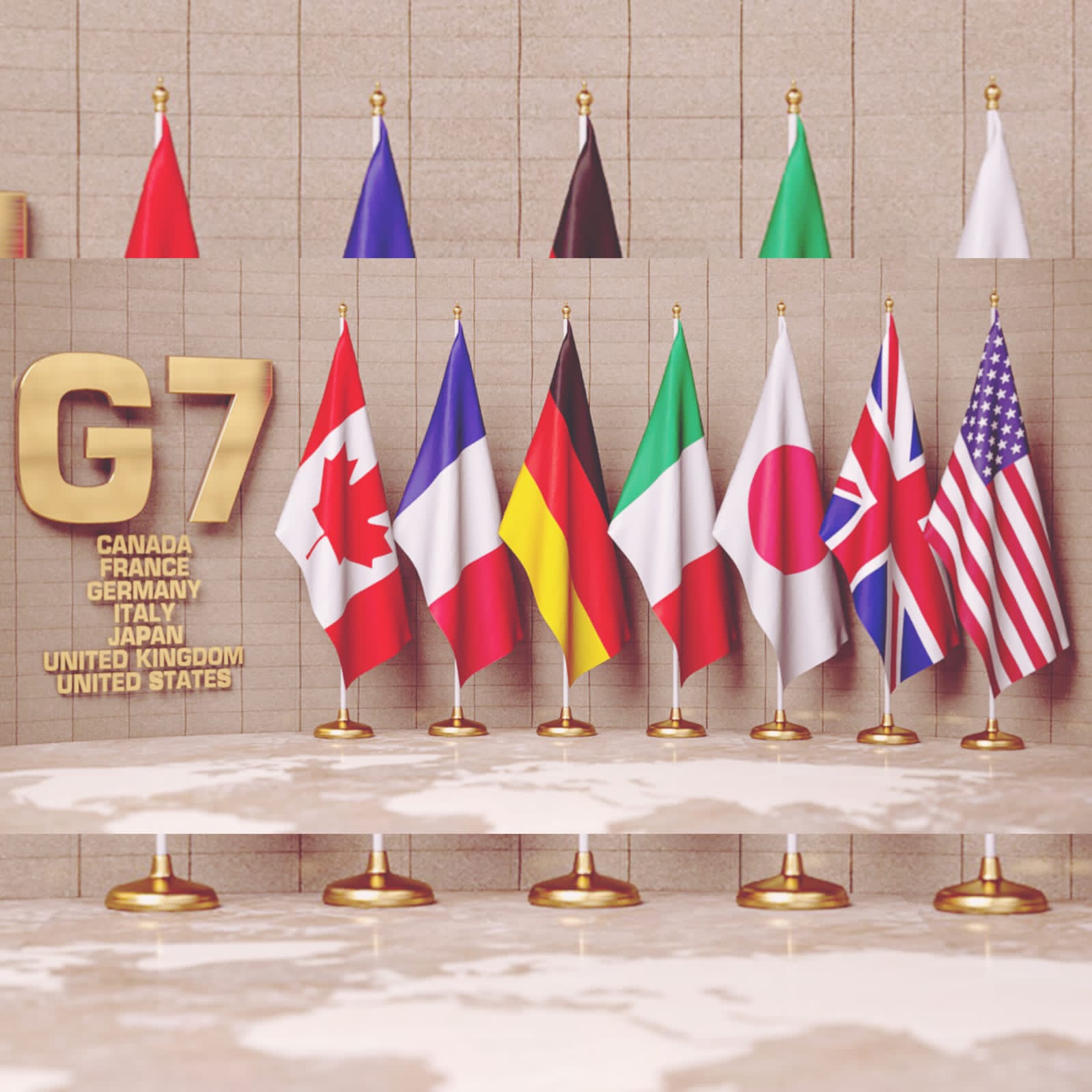
(The Post News)- The G7 Leaders Summit, which occurred in Italy’s Apulia region at Borgo Egnazia on June 13, concluded on June 15, featuring leaders from Canada, France, Germany, Italy, Japan, the UK, and the US. Including the EU representatives, guests from nations including India and organisations like the African Union increased dialogue on international cooperation and strategic partnerships.
The meeting’s focal points spanned critical global challenges such as addressing Ukraine’s conflict, tensions in the Middle East, and the urgent need for climate action and AI ethics.
The discussions centred around enhancing trade security, forging robust regional partnerships, and considering China’s influence to bolster economic and security stability across the region.
Moreover, discussions revolved around enhancing trade security, forging regional partnerships, and harnessing China’s influence to strengthen economic and security stability in the region.
Recognising the importance of enhancing productivity, motivating workers, and promoting inclusiveness and equal opportunities, efforts to integrate AI into workplaces have focused on coordinating global efforts for effective risk management and advancing international standards in AI development and deployment.
Prime Minister Giorgia Meloni stated that the regulation of artificial intelligence (AI). Pope Francis, a former chemist, makes an unprecedented appearance to advocate for AI regulation, giving details on how it can potentially cause harm.
Artificial intelligence (AI) attracts the attention of many of the summit’s headlines because of the appearance of Pope Francis, who argues that humans must not lose control of technology.
He added that the AI represented an epochal transformation for mankind and also underlined the importance of keeping this in mind to ensure human life and dignity are preserved.
According to the 2024 World Economic Forum Global Risks Report, the adverse consequences of AI technologies are one of the top long-term risks facing the world.
The G7 leaders’ outreach to non-Western nations aimed to expand their commitment beyond Western democracies.
Leaders from India, Brazil, South Africa, Turkey, Saudi Arabia, Argentina, Algeria, Kenya, and Mauritania were invited to bridge the “West vs. the Rest” gap, particularly in addressing the Ukraine situation and incorporating emerging powers into global efforts. A main issue at the meeting was the proposal to use frozen Russian assets to support Ukraine.
The proposal, initiated in Washington, faced disagreements from European members and Japan.
The debate highlighted the complications of international financial sanctions and the diplomatic tug-of-war over their implementation.
Other allies in the US were against the proposal, which made it very difficult for President Joe Biden to convince them. The leaders will commit to tackling climate change, including pollution and biodiversity loss, while maintaining a limit of 1.5°C global temperature increase within reach.
The summit’s agenda was heavily influenced by the US’s strategic objectives to counter China and Russia, increasing awareness about the G7 being used as a tool for US diplomatic dominance.
About the Author